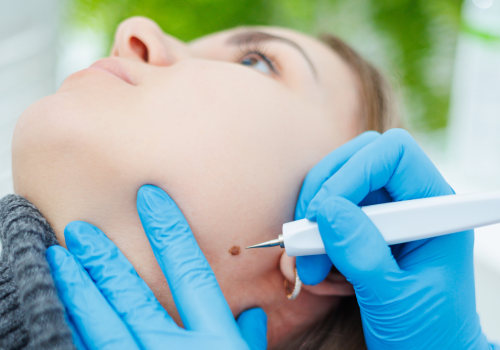
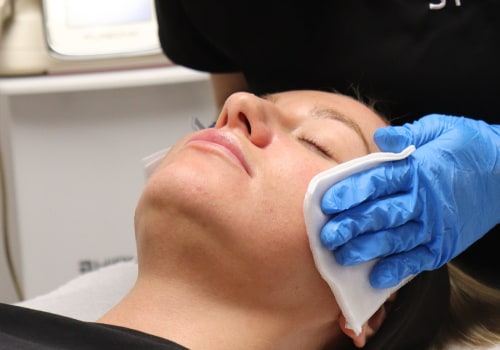
A skin clinic is a specialized facility dedicated to the diagnosis, treatment, and prevention of various skin conditions. These clinics are staffed by trained skin care professionalsskin care professionals, including dermatologists, estheticians, and other specialists who possess the expertise to address a wide range of skin issues. From acne and eczema to cosmetic concerns like aging and pigmentation, skin clinics offer tailored solutions that go beyond what typical over-the-counter products can provide. The benefits of visiting a skin clinic are manifold. Firstly, these clinics provide access to advanced treatments and technologies that are not available in regular beauty salons or pharmacies.
For instance, procedures such as chemical peels, laser therapy, and microdermabrasion can significantly improve skin texture and appearance. Moreover, skin care professionals at these clinics can offer personalized advice based on individual skin types and conditions, ensuring that patients receive the most effective care. Regular visits to a skin clinic can be crucial for maintaining healthy skin. Many people underestimate the importance of professional assessments in preventing potential issues before they escalate. By establishing a routine with a skin care professional, individuals can stay informed about their skin's health and receive timely interventions when necessary.
This proactive approach not only enhances the overall appearance of the skin but also contributes to long-term health and well-being.
Factors Influencing Visit Frequency
Determining how often to visit a skin clinic can vary significantly based on several personal factors. Understanding these factors can help you tailor your skincare routine and ensure that you receive the most effective treatments for your unique needs.- Skin Type: Different skin types require different levels of care. For instance, individuals with oily or acne-prone skin may benefit from more frequent visits, perhaps every 4 to 6 weeks, to manage breakouts and prevent scarring. In contrast, those with dry or sensitive skin might find that visiting every 8 to 12 weeks is sufficient.
- Age: As we age, our skin undergoes various changes that may necessitate more regular visits to a skin clinic.
Younger individuals may only need occasional check-ups, while those in their 30s and beyond might require more frequent treatments to address signs of aging such as fine lines and pigmentation.
- Specific Skin Concerns: If you have particular skin issues—such as eczema, rosacea, or severe acne—your dermatologist may recommend a tailored schedule. For example, someone dealing with persistent acne might need to visit the clinic every month until the condition is under control.
- Preventive Care: Regular visits for preventive care can also be beneficial. Many experts suggest that adults should have at least one comprehensive skin examination per year to monitor for any changes that could indicate skin cancer or other issues.
General Recommendations for Different Skin Types
Understanding your skin type is crucial for determining how often you should visit a skin clinic.Each skin type has unique characteristics and needs, which can influence the frequency of professional treatments.
Oily Skin
If you have oily skin, it is generally recommended to visit a skin clinic every 4 to 6 weeks. Oily skin is prone to acne and breakouts due to excess sebum production. Regular visits can help manage these issues through treatments like chemical peels or extractions, which can clear clogged pores and reduce oiliness.Dry Skin
For those with dry skin, a visit to theFor those with dry skin, a visit to the skin clinic every 6 to 8 weeks is advisable. Dry skin often requires hydration and nourishment, which can be effectively provided through professional facials and moisturizing treatments.These sessions can help restore the skin's barrier and improve overall texture.
Sensitive Skin
If you have sensitive skin, it’s best to consult with a dermatologist at a skin clinic every 6 to 8 weeks as well. Sensitive skin can react adversely to various products and environmental factors. Regular check-ups can help identify triggers and allow for tailored treatments that soothe and protect your skin.Combination Skin
Combination skin, which features both oily and dry areas, may require visits to a skin clinic every 4 to 6 weeks. This frequency allows for targeted treatments that address the different needs of each area.A skilled professional can recommend specific products and procedures that balance the skin's overall condition.Ultimately, the frequency of visits to a skin clinic should be personalized based on your individual skin concerns and goals. Regular consultations with a skincare professional will ensure that you receive the most effective care tailored to your unique skin type.
Common Skin Concerns and Their Treatment Plans
When it comes to addressing common skin concerns, understanding the appropriate frequency of visits to a skin clinic is crucial for effective treatment. Here’s a breakdown of some prevalent skin issues and their recommended treatment plans.Acne Treatment Frequency
For individuals struggling with acne, regular visits to a skin clinic can significantly improve skin health. Initially, it is advisable to schedule appointments every 4 to 6 weeks.This allows dermatologists to assess the effectiveness of prescribed treatments and make necessary adjustments. Once the acne is under control, maintenance visits every 2 to 3 months may suffice.
Anti-Aging Treatments
As we age, many seek anti-aging treatments to maintain youthful skin. Depending on the type of treatment—such as chemical peels, laser therapy, or injectables—patients may need to visit a skin clinic every 3 to 6 months. Regular consultations help in tailoring a personalized regimen that addresses specific aging concerns.Eczema Management
For those dealing with eczema, the frequency of clinic visits can vary based on the severity of the condition.Initially, patients may need to visit every month for proper management and to adjust treatment plans. Once symptoms are stabilized, visits can be reduced to every 2 to 4 months, focusing on long-term management strategies.
Rosacea Care
Rosacea requires ongoing care and monitoring. Patients are typically advised to visit a skin clinic every 6 to 8 weeks during flare-ups. After achieving better control over symptoms, follow-up appointments can be spaced out to every 3 months, ensuring that triggers are managed effectively.In summary, the frequency of visits to a skin clinic largely depends on individual skin concerns and treatment plans.Regular consultations not only enhance treatment efficacy but also empower patients with knowledge about their skin health.
The Importance of Regular Skin Check-Ups
Regular visits to a skin clinic are essential for maintaining optimal skin health and ensuring early detection of potential issues, including skin cancer. Skin cancer is one of the most common types of cancer, and its early detection can significantly improve treatment outcomes. By scheduling routine check-ups, individuals can benefit from professional evaluations that may identify suspicious moles or skin changes before they develop into serious conditions.Skin Cancer Screenings
- During a skin cancer screening, dermatologists examine the skin for any irregularities, such as asymmetrical moles or changes in color and texture.
- These screenings are particularly important for individuals with a family history of skin cancer or those who have spent significant time in the sun.
- Regular check-ups can lead to early intervention, which is crucial for successful treatment.
Preventative Care at Skin Clinics
In addition to screenings, skin clinics offer a range of preventative care services that can help maintain healthy skin. These services may include:
- Customized skincare regimens: Dermatologists can recommend products tailored to individual skin types and concerns.
- Professional treatments: Services such as chemical peels, microdermabrasion, and laser therapy can address specific issues like acne scars or sun damage.
- Education: Patients receive valuable information on sun protection and lifestyle choices that promote skin health.
Benefits of Regular Check-Ups
The advantages of regular visits to a skin clinic extend beyond just skin cancer prevention.
These check-ups can:
- Help identify skin conditions such as eczema, psoriasis, or rosacea early on, allowing for timely treatment.
- Provide peace of mind by ensuring that any changes in the skin are monitored by a professional.
- Encourage individuals to adopt healthier skincare habits and stay informed about the latest advancements in dermatology.
What to Expect During Your Visit to a Skin Clinic
Visiting a skin clinic can be a transformative experience for your skin health. Understanding what to expect during your visit can help alleviate any concerns and make the process smoother.Initial Consultation
Your visit typically begins with an initial consultation. During this time, a qualified dermatologist or skincare professional will ask about your medical history, current skin concerns, and any treatments you have previously undergone.
This information is crucial for tailoring a treatment plan that suits your specific needs.
Skin Assessment
After discussing your history, the practitioner will conduct a thorough skin assessment. This may involve:
- Examining your skin type and condition
- Identifying any specific issues such as acne, rosacea, or pigmentation
- Discussing lifestyle factors that may affect your skin health
Recommended Treatments
Based on the assessment, the dermatologist will recommend appropriate treatments. These could range from topical medications to advanced procedures like chemical peels or laser therapy. It’s essential to ask questions during this part of the visit to fully understand the benefits and potential side effects of each option.
Preparing for Your Visit
To make the most of your appointment at a skin clinic, consider the following tips:
- Document Your Concerns: Write down any specific skin issues you want to address.
- List Current Products: Bring a list of skincare products you currently use, including medications.
- Avoid Makeup: If possible, come without makeup to allow for a better skin assessment.
FAQs About Visiting a Skin Clinic
Visiting a skin clinic can be a pivotal step in maintaining your skin's health and appearance.Here are some frequently asked questions that can help clarify when and why you should consider making an appointment.
How often should I see a dermatologist?
The frequency of visits to a dermatologist largely depends on your individual skin needs. For those with specific skin conditions such as acne, eczema, or psoriasis, it is advisable to visit a skin clinic every 3 to 6 months. If you have a family history of skin cancer or other serious skin issues, annual check-ups are recommended. For individuals with generally healthy skin, a visit once a year can suffice for routine examinations and preventive care.Can I go to a skin clinic for cosmetic procedures?
Absolutely! Many skin clinics offer a range of cosmetic procedures, including chemical peels, laser treatments, and injectables like Botox and fillers.These services are designed to enhance your appearance and address specific concerns such as wrinkles, pigmentation, or uneven skin texture. It's essential to consult with a qualified dermatologist to determine which procedures are suitable for your skin type and goals.
What if I have no major issues?
If you feel that your skin is in good condition and you have no major issues, visiting a skin clinic can still be beneficial. Regular check-ups can help catch potential problems early and provide personalized skincare advice tailored to your needs. Additionally, dermatologists can recommend effective skincare products and routines that can help maintain your skin's health over time.In summary, whether you have specific concerns or simply want to maintain healthy skin, visiting a skin clinic can provide valuable insights and treatments tailored to your needs.Conclusion: Finding Your Ideal Visit Frequency
In conclusion, determining how often you should visit a skin clinic is not a one-size-fits-all answer.It largely depends on your individual skin type, concerns, and goals. Throughout this article, we have explored various factors that influence the frequency of visits, including:
- Skin Type: Oily, dry, sensitive, or combination skin may require different care routines and visit frequencies.
- Specific Skin Concerns: Conditions such as acne, rosacea, or signs of aging may necessitate more frequent visits for effective management.
- Seasonal Changes: Your skin's needs can change with the seasons, prompting adjustments in your visit schedule.
- Professional Recommendations: Consulting with a dermatologist or skincare professional can provide personalized advice tailored to your unique situation.
Whether you find yourself visiting a skin clinic every month or just a few times a year, what matters most is that your skincare routine aligns with your specific needs and lifestyle. By prioritizing your skin health and seeking professional guidance, you can achieve optimal results and maintain a radiant complexion.