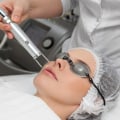
In recent years, laser treatments have gained immense popularity in skin clinics across the United States. These advanced procedures offer a range of benefits, from reducing wrinkles and scars to improving skin texture and tone. As technology continues to evolve, more individuals are seeking out these treatments to achieve their desired aesthetic goals. However, while the allure of flawless skin is enticing, it is crucial to understand the potential risks associated with laser treatments. Laser treatments utilize focused light energy to target specific skin concerns, making them a precise option for many patients.
Yet, like any medical procedure, they come with their own set of risks and considerations. Factors such as skin type, treatment area, and the expertise of the practitioner can significantly influence outcomes. Therefore, it is essential for prospective patients to be well-informed about what to expect before undergoing any procedure at a skin clinic.This article will delve into the various risks associated with laser treatments, providing a comprehensive overview that empowers individuals to make informed decisions about their skincare options. By understanding both the benefits and potential drawbacks, patients can approach their treatment with confidence and clarity.
What Are Laser Treatments?
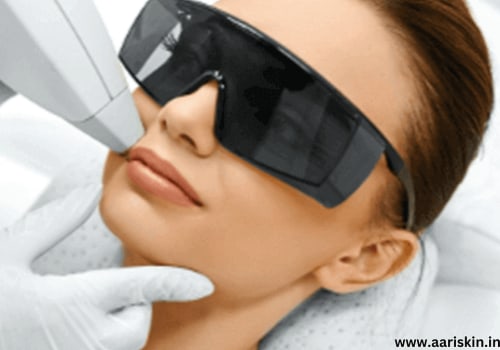
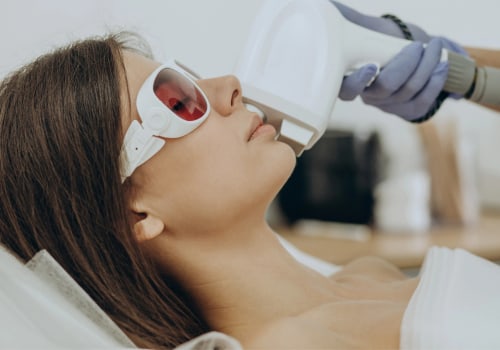
Laser treatments are advanced medical procedures that utilize focused light beams to address various skin concerns.These treatments are performed in a skin clinic and can significantly improve the appearance and health of the skin.There are several types of laser treatments, each designed for specific purposes:
- Fractional Laser Therapy: This type targets specific areas of the skin, promoting collagen production and improving texture. It is commonly used for acne scars, wrinkles, and sun damage.
- Laser Hair Removal: A popular choice for those looking to reduce unwanted hair, this treatment uses concentrated light to destroy hair follicles, leading to long-term hair reduction.
- Laser Skin Resurfacing: This procedure aims to enhance skin tone and texture by removing damaged outer layers. It is effective for treating fine lines, age spots, and uneven pigmentation.
- Pigmented Lesion Removal: Lasers can effectively target and eliminate pigmented lesions such as moles or age spots, providing a clearer complexion.
- Vascular Laser Treatments: These are designed to treat vascular lesions like spider veins or rosacea by targeting blood vessels without harming surrounding tissue.
During this consultation, practitioners assess the patient's skin condition and discuss expected outcomes, ensuring that patients are well-informed before proceeding with any procedure.Overall, laser treatments offer a range of benefits for those seeking to enhance their skin's appearance. However, understanding the different types available can help individuals make informed decisions about their skincare journey.
Common Risks Associated with Laser Treatments
Laser treatments at a skin clinic can offer remarkable results for various skin concerns, but they are not without their risks. Understanding these potential complications is crucial for anyone considering such procedures.Common Side Effects
- Redness and Swelling: After a laser treatment, it is common to experience temporary redness and swelling in the treated area. This usually subsides within a few hours to a few days.
- Itching or Discomfort: Some patients report mild itching or discomfort following the procedure, which can often be managed with over-the-counter remedies.
- Dryness or Peeling: The skin may become dry or start to peel as it heals, particularly after more aggressive treatments.
Potential Complications
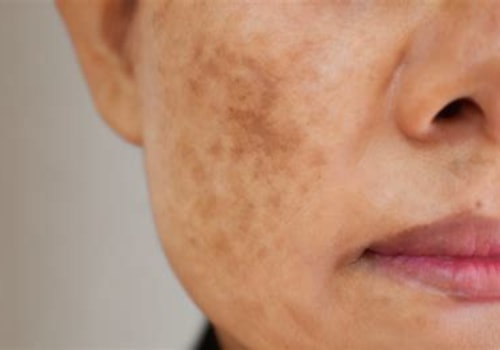
- Hyperpigmentation: One of the more serious risks is hyperpigmentation, where dark spots may develop on the skin, especially in individuals with darker skin tones.
- Hypopigmentation: Conversely, some patients may experience hypopigmentation, leading to lighter patches on the skin that can be permanent.
- Scarring: Although rare, there is a risk of scarring from laser treatments, particularly if post-treatment care instructions are not followed.
A thorough pre-treatment consultation can help mitigate potential complications and ensure a safer experience.
Factors Influencing Risks in Laser Treatments
When considering laser treatments at a skin clinic, it is essential to understand the various factors that can influence the associated risks. These factors can be broadly categorized into patient-related factors and clinic-related factors.Patient-Related Factors
The individual characteristics of a patient play a significant role in determining the safety and effectiveness of laser treatments. Some key patient-related factors include:- Skin Type: Different skin types react differently to laser treatments. For instance, individuals with darker skin tones may be at a higher risk for hyperpigmentation or burns if the treatment is not tailored to their specific needs.
- Medical History: Patients with certain medical conditions, such as autoimmune disorders or skin sensitivities, may face increased risks.
It is crucial for patients to disclose their full medical history during consultations.
- Medications: Some medications can affect skin sensitivity and healing. For example, patients on blood thinners or certain acne medications may experience heightened risks during and after treatment.
Clinic-Related Factors
The expertise and resources of the skin clinic itself also significantly impact treatment safety. Consider the following:- Practitioner Experience: The skill level and experience of the practitioner performing the laser treatment are critical. A well-trained professional will be more adept at minimizing risks and managing any complications that may arise.
- Equipment Quality: The type and quality of laser equipment used can influence outcomes.
Clinics that invest in advanced technology are often better equipped to provide safe and effective treatments.
- Post-Treatment Care: A reputable skin clinic will offer comprehensive post-treatment care instructions, which are vital for minimizing risks and ensuring proper healing.
How to Minimize Risks When Choosing a Skin Clinic
Choosing the right skin clinic is crucial for minimizing risks associated with laser treatments. Here are some essential tips to help you make an informed decision:- Research Credentials: Ensure that the clinic is staffed by licensed professionals, such as dermatologists or certified laser technicians. Check their qualifications and experience in performing laser treatments.
- Read Reviews: Look for patient testimonials and reviews online.
Websites like Yelp or Google Reviews can provide insights into other patients' experiences, helping you gauge the clinic's reputation.
- Consultation: Schedule a consultation before committing to any treatment. This allows you to ask questions, discuss your concerns, and assess the clinic's environment and staff professionalism.
- Technology and Techniques: Inquire about the types of laser technology used at the clinic. Advanced equipment and techniques can significantly reduce risks and improve treatment outcomes.
- Safety Protocols: Ask about the clinic's safety measures, including pre-treatment assessments and post-treatment care. A reputable clinic will prioritize patient safety and have protocols in place to manage potential side effects. Ask about the clinic's safety measures, including pre-treatment assessments and post-treatment care. A reputable clinic will prioritize patient safety and have protocols in place to manage potential side effects.
- Follow Pre-Treatment Instructions: Adhere to any guidelines provided by the clinic before your treatment, such as avoiding sun exposure or certain medications.
- Communicate Openly: Be honest about your medical history, skin type, and any previous treatments.
This information is vital for tailoring a safe treatment plan.
- Monitor Your Skin: After treatment, keep an eye on your skin for any unusual reactions. If you notice anything concerning, contact the clinic immediately.
Frequently Asked Questions About Laser Treatments at Skin Clinics
When considering laser treatments at a skin clinic, potential patients often have numerous questions regarding safety, effectiveness, and what to expect during the process. Here are some frequently asked questions that can help clarify these concerns:- What types of laser treatments are available at skin clinics?
Skin clinics typically offer a variety of laser treatments, including those for hair removal, skin resurfacing, tattoo removal, and acne scar treatment. Each type of treatment uses different laser technologies tailored to specific skin concerns. - Are laser treatments safe?
Yes, when performed by qualified professionals in a reputable skin clinic, laser treatments are generally safe.However, it is crucial to discuss your medical history and any skin conditions with your practitioner to ensure the best outcomes.
- What are the potential side effects?
Common side effects may include redness, swelling, or temporary discomfort in the treated area. More serious side effects are rare but can include scarring or changes in skin pigmentation. Always consult with your provider about potential risks. - How many sessions will I need?
The number of sessions required varies based on the treatment type and individual skin conditions. Most patients may need multiple sessions to achieve optimal results. - What should I do before and after treatment?
Before treatment, avoid sun exposure and certain medications that can increase sensitivity.After treatment, follow your provider's aftercare instructions carefully to promote healing and minimize complications.
Conclusion: Weighing the Risks and Benefits of Laser Treatments
In conclusion, when considering laser treatments at a skin clinic, it is essential to weigh the potential risks against the numerous benefits. While laser treatments can effectively address various skin concerns such as acne scars, pigmentation, and signs of aging, they are not without their drawbacks.Summary of Laser Treatment Risks:- Skin Irritation: Temporary redness, swelling, or discomfort can occur post-treatment.
- Hyperpigmentation: In some cases, especially in individuals with darker skin tones, there is a risk of developing darker patches.
- Infection: Although rare, there is a possibility of infection if proper aftercare is not followed.
- Scarring: Improper technique or aftercare can lead to scarring.
Moreover, advancements in technology have made these procedures safer and more effective than ever before. Ultimately, the decision to undergo laser treatment should be made after thorough consultation with a qualified professional at a reputable skin clinic. They can provide personalized advice based on your skin type and concerns, ensuring that you are fully informed about both the risks and benefits. By taking the time to understand these factors, you can make a confident choice that aligns with your skincare goals.