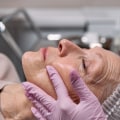
In recent years, chemical peelschemical peels have gained immense popularity as a go-to skin treatment offered at various skin clinics. These treatments involve the application of a chemical solution to the skin, which helps to exfoliate and rejuvenate the outer layers. As individuals seek effective solutions for issues like acne scars, uneven skin tone, and signs of aging, the allure of chemical peels becomes increasingly evident. However, while many patients experience remarkable results, it is essential to understand that these treatments can also come with potential side effects.Visiting a reputable skin clinic ensures that you receive professional guidance and care tailored to your specific skin type and concerns.
Trained dermatologists or licensed aestheticians assess your skin's condition before recommending a suitable peel. This personalized approach not only maximizes the benefits of the treatment but also minimizes risks. Nevertheless, even with expert supervision, some individuals may encounter adverse reactions ranging from mild redness to more severe complications.As we delve deeper into the world of chemical peels, it is crucial to weigh both the benefits and potential side effects. Understanding what to expect can empower you to make informed decisions about your skincare journey.
Whether you are considering your first peel or are a seasoned veteran of skin treatments, being aware of the possible outcomes will help you navigate your options with confidence.
What Are Chemical Peels?
Chemical peels are cosmetic treatments designed to enhance the appearance of the skin by applying a chemical solution that causes the outer layers to exfoliate and eventually peel off. This process reveals newer, healthier skin underneath, making it a popular choice in skin clinics for individuals seeking to improve skin texture, tone, and overall radiance.Types of Chemical Peels
- Superficial Peels: These are the mildest type, often using alpha-hydroxy acids (AHAs) like glycolic acid. They target the outermost layer of skin and are suitable for all skin types, providing a gentle refresh.
- Medium Peels: Utilizing trichloroacetic acid (TCA), medium peels penetrate deeper into the skin. They are effective for treating issues like sun damage and fine lines but may require some downtime for recovery.
- Deep Peels: These peels use phenol and can treat more severe skin concerns such as deep wrinkles and scars.
They involve a longer recovery period and are typically performed under anesthesia.
How Chemical Peels Work
The process begins with a thorough cleansing of the skin, followed by the application of the chosen chemical solution. The active ingredients work by breaking down the bonds between dead skin cells, allowing them to slough off more easily. As the outer layer peels away, new skin cells emerge, leading to improved texture and tone.In addition to enhancing appearance, chemical peels can also stimulate collagen production, which is essential for maintaining skin elasticity and firmness. This makes them an effective option not only for cosmetic enhancement but also for long-term skin health.Overall, understanding the different types of chemical peels and their mechanisms can help individuals make informed decisions when considering treatments at a skin clinic.Benefits of Chemical Peels at Skin Clinics
Undergoing chemical peels at a skin clinic offers numerous benefits that can significantly enhance your skin's appearance and health.These treatments are designed to exfoliate the skin, removing dead cells and promoting the growth of new, healthier skin. Here are some key advantages:
- Improved Skin Texture: Chemical peels can help smooth out rough patches, making the skin feel softer and more even.
- Reduction of Fine Lines and Wrinkles: By stimulating collagen production, chemical peels can diminish the appearance of fine lines and wrinkles, contributing to a more youthful look.
- Enhanced Skin Tone: These treatments can address issues such as hyperpigmentation, sun damage, and uneven skin tone, resulting in a brighter complexion.
- Acne Treatment: Chemical peels are effective in treating acne by unclogging pores and reducing inflammation, leading to clearer skin.
- Minimized Scarring: For those with acne scars or other types of scarring, chemical peels can promote healing and reduce the visibility of scars over time.
As your skin continues to renew itself, you may notice a significant enhancement in overall texture and tone. This makes chemical peels an excellent option for anyone looking to invest in their skincare routine.
Common Side Effects of Chemical Peels
Chemical peels are popular treatments offered at a skin clinic for improving skin texture and appearance. However, like any cosmetic procedure, they come with potential side effects. Understanding these side effects can help you make an informed decision about whether a chemical peel is right for you.Mild Side Effects
Most patients experience some mild side effects after undergoing a chemical peel.These typically include:
- Redness: Similar to a sunburn, this is a common reaction that usually subsides within a few hours to a few days.
- Peeling: As the name suggests, peeling is expected as the skin exfoliates and reveals new layers underneath.
- Dryness: The treated area may feel dry or tight, which can be alleviated with moisturizers recommended by your skin care professional.
- Itching or stinging: Some patients report mild itching or stinging sensations during the healing process.
Severe Side Effects
While severe side effects are less common, they can occur, particularly if the peel is deep or if aftercare instructions are not followed. These may include:- Scarring: In rare cases, improper technique or individual skin reactions can lead to scarring.
- Infection: Open skin from peeling can be susceptible to infections if not properly cared for.
- Hyperpigmentation: Some individuals may experience darkening of the skin in the treated area, especially those with darker skin tones.
- Allergic reactions: Though uncommon, some patients may have allergic reactions to the chemicals used in the peel.
Factors Influencing Side Effects
When considering a chemical peel at a skin clinic, it’s essential to understand that various factors can influence the severity and occurrence of side effects. These factors include skin type, peel depth, and aftercare practices.Skin Type
Your individual skin type plays a crucial role in how your skin reacts to chemical peels.For instance:
- Oily skin may be more prone to post-inflammatory hyperpigmentation.
- Dry or sensitive skin might experience increased irritation and redness.
- Combination skin can have varied reactions depending on the areas treated.
Peel Depth
The depth of the chemical peel is another significant factor. Peels are generally categorized into three types:- Superficial peels: These affect only the outer layer of skin and typically have fewer side effects.
- Medium peels: These penetrate deeper and may cause more noticeable side effects, such as peeling and redness.
- Deep peels: These can lead to significant downtime and more severe side effects, including swelling and prolonged redness.
Aftercare
The way you care for your skin post-peel is vital in determining the outcome. Proper aftercare can significantly reduce side effects:- Avoiding sun exposure is crucial; use a broad-spectrum sunscreen.
- Keeping the skin moisturized helps in healing and reduces irritation.
- Avoiding harsh skincare products for a few days post-treatment is recommended.
Managing and Minimizing Side Effects
After undergoing a chemical peel at a skin clinic, it’s essential to focus on managing and minimizing any potential side effects. While many individuals experience only mild reactions, taking proactive steps can enhance your recovery and skin health.Post-Peel Care Tips
- Follow Your Specialist's Instructions: Always adhere to the aftercare guidelines provided by your skin care professional.
They will tailor advice based on your specific peel type and skin condition.
- Keep Your Skin Hydrated: Use a gentle, hydrating moisturizer to help soothe your skin. Look for products that contain ingredients like hyaluronic acid or glycerin.
- Avoid Sun Exposure: Protect your skin from the sun by wearing broad-spectrum sunscreen with at least SPF 30. This is crucial as your skin will be more sensitive post-peel.
- Limit Physical Activity: For the first few days, avoid strenuous exercise that may cause sweating, which can irritate the skin.
- Do Not Pick or Scrub: Resist the urge to pick at peeling skin. Allow it to slough off naturally to prevent scarring or infection.
Managing Side Effects
If you experience redness, swelling, or discomfort, consider the following strategies:- Cold Compress: Applying a cold compress can help reduce swelling and soothe irritation.
- Over-the-Counter Pain Relief: Non-prescription pain relievers like ibuprofen can alleviate discomfort if needed.
- Avoid Harsh Products: Steer clear of exfoliants, retinoids, and other active ingredients until your skin has fully healed.
When to Seek Professional Help
After undergoing a chemical peel at a skin clinic, it is essential to monitor your skin for any unusual reactions.While some redness and peeling are normal, certain signs may indicate the need for professional help.
Signs of Complications
- Severe Redness: If your skin remains intensely red for more than a few days, this could be a sign of an adverse reaction.
- Persistent Swelling: Mild swelling is common, but if it worsens or does not subside, consult your dermatologist.
- Blistering or Crusting: The appearance of blisters or crusty patches can indicate an infection or an allergic reaction.
- Excessive Pain: While some discomfort is expected, severe pain that does not improve with over-the-counter medication warrants immediate attention.
- Changes in Skin Color: If you notice darkening or lightening of the skin in the treated area, seek advice from your skin care professional.
When to See a Doctor After a Peel
In addition to the signs mentioned above, consider seeking professional help if:- Your skin does not show signs of improvement after a week.
- You develop a fever or chills, which may indicate an infection.
- You have any concerns about the healing process or the appearance of your skin.
Frequently Asked Questions About Chemical Peels and Side Effects
When considering a chemical peel at a skin clinic, many patients have questions about potential side effects and safety. Here are some frequently asked questions that can help clarify these concerns:What are the common side effects of chemical peels?
- Redness: It is normal to experience some redness after a chemical peel, similar to a mild sunburn.
- Peeling: As the name suggests, peeling is a common side effect as the skin begins to shed dead cells.
- Dryness: Patients may notice increased dryness in the treated area, which can be managed with moisturizers.
- Sensitivity: The skin may become more sensitive to sunlight and other environmental factors post-treatment.
How long do side effects last?
The duration of side effects varies depending on the type of peel performed.Generally, mild redness and peeling can last from a few days to a week. Deeper peels may result in longer recovery times, sometimes up to two weeks.
Are chemical peels safe?
When performed by a qualified professional at a reputable skin clinic, chemical peels are considered safe for most individuals. However, it is essential to discuss your medical history and any skin conditions with your practitioner beforehand. This ensures that the treatment is tailored to your specific needs and minimizes risks.What should I do if I experience severe side effects?
If you encounter severe side effects such as excessive swelling, blistering, or signs of infection, it is crucial to contact your skin clinic immediately.They can provide guidance on how to manage these symptoms effectively.Understanding these aspects of chemical peels can help you make an informed decision about your skincare treatment. Always consult with your dermatologist or skincare professional for personalized advice.
Conclusion: Weighing the Risks and Benefits of Chemical Peels at Skin Clinics
In conclusion, while chemical peels can offer significant benefits for skin rejuvenation and the treatment of various skin conditions, it is essential to weigh these advantages against the potential side effects. Understanding the risks involved can empower you to make an informed decision about whether to proceed with a treatment at a skin clinic.Before undergoing a chemical peel, consider the following:- Consultation: Always have a thorough consultation with a qualified dermatologist or skincare professional at the skin clinic. They can assess your skin type, discuss your goals, and determine if a chemical peel is suitable for you.
- Skin Sensitivity: Be aware of your skin's sensitivity.
Individuals with certain skin conditions or those prone to allergies may experience heightened reactions.
- Post-Treatment Care: Follow all aftercare instructions provided by your skincare professional. Proper care can minimize side effects and enhance results.
- Realistic Expectations: Understand that while many people achieve excellent results, outcomes can vary based on individual skin types and conditions.