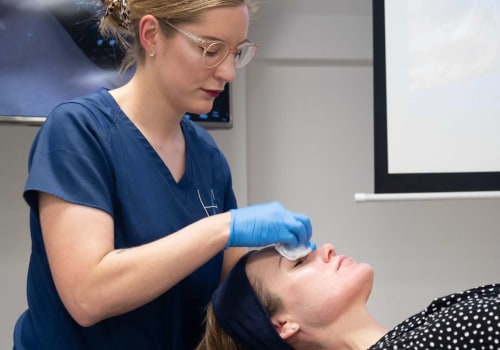
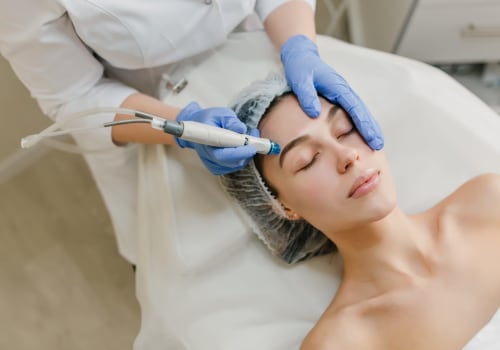
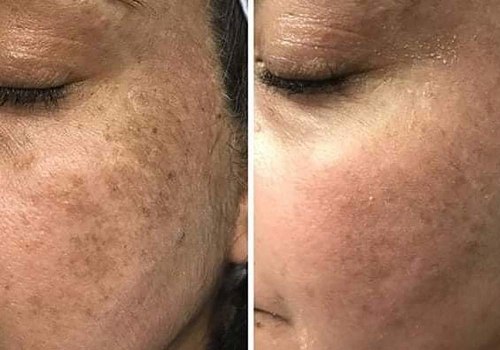
In today's world, where first impressions often hinge on our appearance, the role of skin clinics has become increasingly significant. These specialized facilities are dedicated to providing comprehensive skincare solutions, addressing a wide range of concerns from acne and pigmentation to anti-aging treatments. Understanding the qualifications of the staff at these clinics is essential for anyone seeking professional skincare services, as it directly impacts the quality of care and results. At a skin clinicskin clinic, clients are not just receiving treatments; they are engaging with a team of skincare professionalsskincare professionals who possess a wealth of knowledge and expertise. This includes dermatologists, licensed aestheticians, and other specialists who have undergone rigorous training and certification.
Their qualifications ensure that they are equipped to assess individual skin types, recommend appropriate treatments, and provide ongoing support throughout the skincare journey. The importance of skin clinics extends beyond mere aesthetics. They play a crucial role in promoting skin health and educating clients about proper skincare routines. By understanding the qualifications of the staff, potential clients can make informed decisions about where to seek treatment, ensuring they receive care from qualified professionals who prioritize safety and efficacy in their practices.
Types of Professionals Found in a Skin Clinic
When visiting a skin clinic, you will encounter a diverse team of professionals, each with specialized training and expertise. Understanding the roles of these individuals can help you feel more confident in the care you receive.Dermatologists
Dermatologists are medical doctors who specialize in diagnosing and treating skin disorders. They have completed extensive education, including a medical degree and a residency in dermatology. Their expertise allows them to handle complex skin conditions such as eczema, psoriasis, acne, and skin cancer. Dermatologists also perform surgical procedures, such as mole removals and skin biopsies, ensuring that patients receive comprehensive care.Estheticians
Estheticians focus on the cosmetic aspects of skin care. They are trained in various treatments, including facials, chemical peels, and microdermabrasion. While they do not diagnose or treat medical conditions, estheticians play a crucial role in enhancing the skin's appearance and educating clients on proper skincare routines. Their knowledge of products and techniques helps clients achieve healthier skin.Nurse Practitioners
Nurse practitioners (NPs)Nurse practitioners (NPs) in skin clinics often work alongside dermatologists to provide patient care. They have advanced training in nursing and can perform many of the same functions as dermatologists, including diagnosing conditions and prescribing treatments. NPs are particularly valuable in managing follow-up care and patient education, ensuring continuity in treatment plans.Other Support Staff
A skin clinic may also employ other professionals such as medical assistants and administrative staff.Medical assistants help with patient intake, record-keeping, and assisting during procedures. Administrative staff manage appointments and billing, ensuring that the clinic runs smoothly. In summary, the team at a skin clinic is composed of various professionals, each contributing their unique skills to provide comprehensive skincare solutions. Understanding their qualifications can enhance your experience and trust in the services offered.
Educational Qualifications Required for Skin Clinic Staff
When considering the qualifications of staff at a skin clinic, it is essential to understand the various educational paths that lead to different roles within the clinic.Each position requires specific training and credentials to ensure that patients receive the highest quality of care.
Dermatologists
Dermatologists are medical doctors specializing in skin health. To become a dermatologist, one must complete:- A bachelor’s degree, typically with a focus on pre-medical studies.
- Medical school, earning a Doctor of Medicine (MD) or Doctor of Osteopathic Medicine (DO) degree.
- A residency program in dermatology, which usually lasts about three years.
- Board certification in dermatology, which requires passing rigorous exams.
Estheticians
Estheticians play a crucial role in providing skin care treatments and advice. Their educational requirements include:- Completion of a state-approved esthetician program, which typically lasts 6 to 12 months.
- Obtaining a state license, which often involves passing written and practical exams.
- Continuing education to stay updated on the latest skin care techniques and products.
Nurses and Nurse Practitioners
Nurses working in skin clinics may have varying levels of education:- A registered nurse (RN) typically holds an associate's or bachelor's degree in nursing.
- Nurse practitioners (NPs) require a master’s degree in nursing and specialized training in dermatology.
- Both RNs and NPs must be licensed and may pursue additional certifications in dermatology.
Licensing and Certification for Skin Clinic Professionals
When seeking treatment at a skin clinic, understanding the licensing and certification of the staff is crucial for ensuring safe and effective care.Each state has specific licensing requirements that professionals must meet to practice legally. Typically, these requirements include completing a state-approved training program and passing a licensing examination.
Estheticians
, who often provide skin care treatments, must obtain a state license after completing a minimum number of hours in an accredited esthetics program. This training covers various topics, including skin analysis, facial treatments, and sanitation practices. Additionally, many states require continuing education to maintain licensure, ensuring that estheticians stay updated on the latest techniques and products.For those working in more advanced roles, such as dermatology , board certification is essential.
Dermatologists must complete a residency in dermatology after medical school and pass rigorous examinations to earn board certification from the American Board of Dermatology. This certification signifies that the dermatologist has met high standards of knowledge and skill in the field.
- Licensing Requirements for Skin Clinic Staff:
- Completion of an accredited training program.
- Passing a state licensing examination.
- Continuing education for license renewal.
- Certification for Estheticians:
- A minimum number of training hours (varies by state).
- Knowledge in skin care treatments and sanitation.
- Dermatology Board Certification:
- Completion of a dermatology residency.
- Passing board examinations.
Experience and Specialization in Skin Clinics
When it comes to receiving treatment at a skin clinic, the experience and specialization of the staff play a crucial role in ensuring effective patient care. Patients should seek clinics where the staff possess a robust background in dermatology and related fields.Experience Required for Skin Clinic Staff
- Dermatologists: Typically, dermatologists undergo extensive training, including a medical degree followed by a residency in dermatology.
This rigorous education equips them with the knowledge to diagnose and treat various skin conditions.
- Estheticians: While estheticians may not require a medical degree, they should have completed accredited programs that provide hands-on training in skin care techniques. Advanced training in specific treatments, such as chemical peels or microdermabrasion, is also beneficial.
- Nurse Practitioners (NPs): Many skin clinics employ NPs who have specialized training in dermatology. Their experience allows them to perform assessments and provide treatments under the supervision of a dermatologist.
Specialization in Dermatology
Specialization is another key factor that enhances the quality of care at a skin clinic. Staff members who focus on specific areas of dermatology, such as:
- Aesthetic dermatology
- Pediatric dermatology
- Dermatopathology
- Mohs surgery for skin cancer treatment
Advanced Training for Estheticians
In addition to basic training, many estheticians pursue advanced certifications that focus on specialized treatments.
This can include:
- Laser therapy
- Advanced chemical peels
- Microneedling techniques
Continuing Education and Professional Development
In the rapidly evolving field of dermatology and skin care, continuing education is essential for professionals working in a skin clinic. This ongoing training ensures that staff members, including dermatologists and estheticians, remain knowledgeable about the latest advancements in treatments, technologies, and best practices.Importance of Continuing Education
- Staying Updated: The field of dermatology is constantly changing, with new research and techniques emerging regularly. Continuing education allows skin clinic staff to stay informed about these developments.
- Enhancing Skills: Regular training sessions help professionals refine their skills and learn new procedures, which can improve patient outcomes.
- Compliance: Many states require licensed professionals to complete a certain number of continuing education hours to maintain their licenses, ensuring that they meet industry standards.
Professional Development for Dermatologists
Dermatologists often participate in specialized workshops, conferences, and online courses that focus on advanced techniques in skin treatment.
These opportunities not only enhance their clinical skills but also provide networking opportunities with peers and industry leaders.
Training for Estheticians
Estheticians play a crucial role in a skin clinic, providing services such as facials, chemical peels, and microdermabrasion. Ongoing training is vital for estheticians to:
- Learn about new products and technologies that can enhance their service offerings.
- Understand the latest safety protocols and hygiene standards to protect both themselves and their clients.
- Gain insights into customer service techniques that improve client satisfaction and retention.
FAQs About Skin Clinic Staff Qualifications
When considering a visit to a skin clinic, many patients have questions about the qualifications of the staff. Understanding the credentials of dermatologists, estheticians, and other professionals can help ensure that you receive the best possible care.What qualifications do dermatologists have?
Dermatologists are medical doctors who specialize in diagnosing and treating skin conditions.Their qualifications typically include:
- Medical Degree: Dermatologists must complete a Doctor of Medicine (MD) or Doctor of Osteopathic Medicine (DO) degree.
- Residency Training: After medical school, they undergo a residency program in dermatology, which usually lasts about four years.
- Board Certification: Most dermatologists are board-certified by the American Board of Dermatology, indicating they have passed rigorous exams and met specific educational requirements.
What about estheticians?
Estheticians play a crucial role in skin clinics, focusing on cosmetic treatments and skin care. Their qualifications generally include:- State Licensure: Estheticians must complete a state-approved training program and pass a licensing exam to practice legally.
- Specialized Training: Many estheticians pursue additional certifications in areas such as chemical peels, microdermabrasion, or laser treatments.
Are there other staff members with qualifications?
In addition to dermatologists and estheticians, skin clinics may employ other qualified professionals:- Nurse Practitioners (NPs): NPs often have advanced training in dermatology and can perform certain procedures under the supervision of a dermatologist.
- Physician Assistants (PAs): PAs can assist in diagnosing and treating skin conditions, often working closely with dermatologists.
Conclusion: The Importance of Qualified Staff in Skin Clinics
In conclusion, the qualifications of staff at a skin clinic are paramount to ensuring that patients receive the highest standard of care. Throughout this article, we have explored the various credentials and training that professionals in this field should possess, emphasizing the significance of their expertise in delivering effective treatments. Firstly, it is essential for practitioners to have a solid educational background in dermatology or a related field.This foundational knowledge equips them with the skills necessary to diagnose and treat a wide range of skin conditions. Additionally, certifications from recognized boards or associations further validate their proficiency and commitment to ongoing education. Moreover, hands-on experience plays a crucial role in the effectiveness of treatments provided at a skin clinic. Experienced staff are more likely to understand the nuances of different skin types and conditions, allowing them to tailor their approaches to meet individual patient needs. Furthermore, the importance of continuous professional development cannot be overstated. The field of dermatology is constantly evolving with new technologies and treatment methods.
Qualified staff should engage in regular training and workshops to stay updated on the latest advancements, ensuring that they can offer patients the most effective solutions. Lastly, a compassionate and communicative approach is vital in fostering trust between patients and their providers. Staff who are not only qualified but also empathetic can significantly enhance the patient experience, making individuals feel valued and understood. In summary, the qualifications of staff at a skin clinic encompass a blend of education, experience, ongoing training, and interpersonal skills. These elements are crucial for delivering safe, effective, and personalized care that meets the diverse needs of patients seeking skin health solutions.