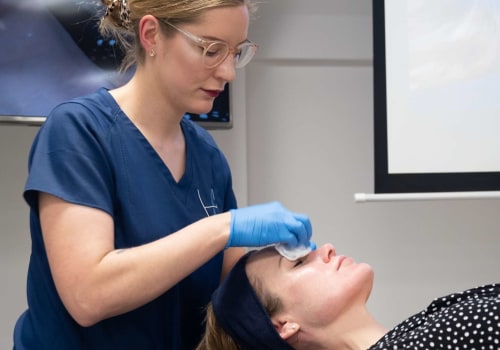
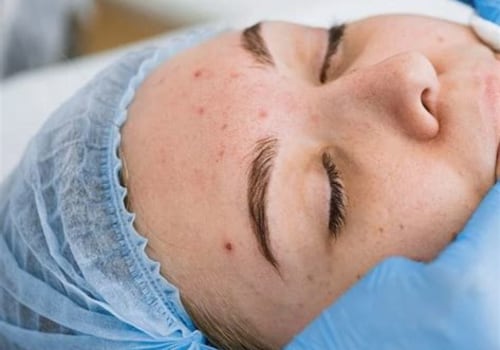
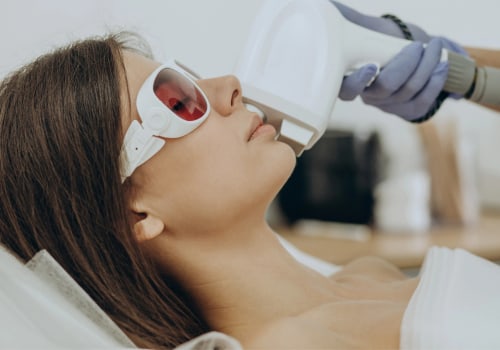
When considering treatments at a skin clinic, it's essential to understand the variety of options available to address different skin concerns. From acne and rosacea to anti-aging solutions, skin clinics offer a range of treatments tailored to individual needs. Common procedures include chemical peels, microdermabrasion, laser therapy, and injectables like Botox and fillers. Each treatment is designed to enhance the skin's appearance and health, but they also require specific aftercare to ensure optimal results. Understanding the types of skin treatments available is crucial for anyone looking to improve their complexion. , it's essential to understand the variety of options available to address different skin concerns. From acne and rosacea to anti-aging solutions, skin clinics offer a range of treatments tailored to individual needs. Common procedures include chemical peels, microdermabrasion, laser therapy, and injectables like Botox and fillers. Each treatment is designed to enhance the skin's appearance and health, but they also require specific aftercare to ensure optimal results. Understanding the types of skin treatments available is crucial for anyone looking to improve their complexion.
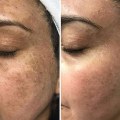
For instance, chemical peels can effectively exfoliate the skin, revealing a fresher layer underneath, while laser treatments target deeper skin issues such as pigmentation and scarring. However, the effectiveness of these treatments can be significantly influenced by how well patients adhere to aftercare instructions provided by their skincare professionals. Aftercare is not just an optional step; it is a vital component of the treatment process that can make or break the results. Proper aftercare helps in minimizing side effects, promoting healing, and enhancing the overall effectiveness of the treatment. Therefore, understanding both the treatments offered at a skin clinic and the necessary aftercare is essential for anyone seeking to achieve their desired skin goals.
Why Aftercare is Important
Aftercare is a crucial component of any treatment received at a skin clinic.It plays a significant role in enhancing the results of your skin treatments and ensuring a smooth recovery process. Understanding the importance of aftercare can help you achieve the best possible outcomes and minimize the risk of complications.
Importance of Aftercare
- Promotes Healing: Proper aftercare helps your skin recover more effectively from treatments such as chemical peels, laser therapy, or microdermabrasion. Following the recommended guidelines can reduce inflammation and speed up the healing process.
- Enhances Results: Adhering to aftercare instructions can significantly improve the results of your treatment. For instance, using specific moisturizers or serums as advised can enhance hydration and promote skin regeneration.
- Prevents Complications: Neglecting aftercare can lead to adverse effects such as infections, prolonged redness, or uneven skin tone.
By following your clinician's advice, you can avoid these potential issues.
Benefits of Aftercare
- Long-lasting Effects: Proper aftercare ensures that the benefits of your treatment last longer, allowing you to enjoy smoother, healthier skin for an extended period.
- Improved Skin Health: Aftercare often includes recommendations for daily skincare routines that contribute to overall skin health, helping to prevent future issues.
- Informed Decisions: Engaging in aftercare allows you to better understand your skin's needs and how different products or treatments affect it, empowering you to make informed choices in the future.
General Aftercare Guidelines for All Skin Treatments
After undergoing treatments at a skin clinic, proper aftercare is essential to ensure optimal healing and results. Here are some general aftercare guidelines that apply to various skin treatments:- Keep the Area Clean: Gently cleanse the treated area with a mild, non-irritating cleanser. Avoid using harsh scrubs or exfoliants for at least a week post-treatment.
- Avoid Sun Exposure: Protect your skin from direct sunlight by wearing a broad-spectrum sunscreen with at least SPF 30.
Reapply every two hours if you are outdoors.
- Moisturize Regularly: Use a gentle, hydrating moisturizer to keep the skin barrier intact. Look for products that contain soothing ingredients like hyaluronic acid or aloe vera. Use a gentle, hydrating moisturizer to keep the skin barrier intact. Look for products that contain soothing ingredients like hyaluronic acid or aloe vera.
- Do Not Pick or Scratch: It can be tempting to touch or pick at the treated area, but this can lead to irritation or infection. Allow your skin to heal naturally.
- Stay Hydrated: Drink plenty of water to support your skin’s healing process from the inside out. Hydration is key for maintaining skin elasticity and overall health.
Each treatment may have unique aftercare requirements based on individual skin types and conditions. Monitoring your skin during the healing process is crucial. If you notice any unusual symptoms such as excessive redness, swelling, or discharge, contact your skin clinic immediately for advice. Remember, taking care of your skin post-treatment not only enhances results but also promotes long-term skin health.
Aftercare for Specific Treatments
Aftercare for Chemical Peels
After undergoing a chemical peel, it is crucial to follow specific aftercare instructions to ensure optimal healing and results. Initially, your skin may feel sensitive and appear red.To aid recovery:
- Avoid sun exposure: Protect your skin by using a broad-spectrum sunscreen with at least SPF 30.
- Keep it moisturized: Use a gentle, hydrating moisturizer to prevent dryness and peeling.
- Do not pick or peel: Allow any flaking skin to shed naturally to avoid scarring.
Aftercare for Laser Treatments
Laser treatments can significantly improve skin texture and tone, but proper aftercare is essential for recovery. After your session, consider the following:- Cool compresses: Apply cool compresses to reduce swelling and discomfort.
- Avoid heat: Stay away from hot showers, saunas, and intense workouts for a few days.
- Hydration: Keep your skin hydrated with a gentle moisturizer and drink plenty of water.
Aftercare for Microneedling
Microneedling is an effective treatment for various skin concerns, but it requires careful aftercare. Post-treatment, you should:- Avoid makeup: Refrain from applying makeup for at least 24 hours to allow your skin to breathe.
- Limit sun exposure: Use sunscreen diligently and avoid tanning beds for several weeks. Use sunscreen diligently and avoid tanning beds for several weeks.
- Gentle cleansing: Cleanse your face with a mild cleanser; avoid exfoliating products for a week.
Common Mistakes to Avoid After Skin Treatments
After undergoing treatments at a skin clinic, proper aftercare is crucial for achieving the best results. However, many individuals make common mistakes that can hinder their recovery and affect the overall outcome.Here are some frequent pitfalls to avoid:
- Neglecting Sun Protection: One of the most significant errors is failing to protect your skin from the sun. After treatments, your skin may be more sensitive and prone to damage. Always apply a broad-spectrum sunscreen with at least SPF 30, even on cloudy days.
- Skipping Moisturization: Hydration is key to recovery. Many people underestimate the importance of keeping their skin moisturized post-treatment.
Use a gentle, hydrating moisturizer recommended by your skin clinic to help soothe and repair your skin.
- Over-Exfoliating: After treatments, your skin may feel rough or flaky. While it might be tempting to exfoliate more frequently, this can lead to irritation and prolong healing. Stick to a gentle exfoliation routine as advised by your skincare professional.
- Ignoring Professional Advice: Each treatment comes with specific aftercare instructions tailored to your skin type and the procedure performed. Ignoring these guidelines can lead to complications or suboptimal results.
- Using Harsh Products: Post-treatment, your skin is often sensitive.
Avoid using products with strong active ingredients like retinoids or acids until your skin has fully healed. Opt for gentle, soothing formulations instead.
FAQs About Aftercare at Skin Clinics
After undergoing treatments at a skin clinic, many patients have questions regarding the best practices for aftercare. Here are some of the most frequently asked questions:- What should I avoid after my treatment?
It is generally recommended to avoid sun exposure, strenuous exercise, and harsh skincare products for at least 24-48 hours post-treatment. This helps to minimize irritation and allows your skin to heal properly. - How soon can I resume my normal skincare routine?
While it varies depending on the treatment, most professionals suggest waiting at least 48 hours before returning to your regular skincare regimen.Always consult with your practitioner for personalized advice.
- Is it normal to experience redness or swelling?
Yes, mild redness and swelling are common after many skin treatments. These symptoms typically subside within a few hours to a few days. If they persist or worsen, contact your skin clinic. - When can I wear makeup again?
Most clinics recommend waiting at least 24 hours before applying makeup. This allows your skin to breathe and reduces the risk of irritation. - How can I soothe my skin after treatment?
Using a gentle moisturizer and applying cool compresses can help soothe your skin.Look for products that are fragrance-free and designed for sensitive skin.
When to Contact Your Skin Clinic Post-Treatment
After undergoing a treatment at a skin clinic, it’s essential to monitor your skin for any unusual changes or reactions. While some redness and swelling are normal, there are specific signs that indicate you should reach out to your skin clinic for further evaluation.Signs That Require Attention
- Persistent Redness or Swelling: If redness or swelling lasts longer than a few days, it may be a sign of an adverse reaction.
- Increased Pain: While some discomfort is expected, significant pain that worsens over time should be reported.
- Unusual Discharge: Any pus or unusual discharge from the treatment area can indicate an infection.
- Fever or Chills: Systemic symptoms like fever may suggest a more serious complication.
- Changes in Skin Color: If you notice darkening or lightening of the skin around the treated area, consult your provider.
When to Call Your Skin Clinic
In addition to the signs mentioned above, consider reaching out if you have any concerns about the healing process.It’s better to err on the side of caution; your skin clinic staff is there to help you navigate any post-treatment issues. They can provide guidance on whether your symptoms are typical or if further action is needed.Remember, maintaining open communication with your skin clinic is key to achieving the best results from your treatment and ensuring your skin remains healthy and vibrant.
Conclusion: Key Takeaways on Aftercare for Skin Treatments
In conclusion, proper aftercare following treatments at a skin clinic is essential for achieving optimal results and maintaining skin health. By adhering to the recommended guidelines, patients can enhance their recovery process and minimize potential side effects.Key Points to Remember
- Follow Professional Advice: Always adhere to the specific aftercare instructions provided by your skincare professional. Each treatment may have unique requirements.
- Hydration is Crucial: Keeping your skin well-hydrated helps in the healing process.
Use gentle, hydrating products as recommended.
- Avoid Sun Exposure: Protecting your skin from the sun is vital. Use a broad-spectrum sunscreen with at least SPF 30, and wear protective clothing when outdoors.
- Be Gentle: Avoid harsh scrubs or exfoliants for a few days post-treatment. Opt for mild cleansers and avoid touching your face unnecessarily.
- Monitor Your Skin: Keep an eye on any changes in your skin. If you notice unusual redness, swelling, or discomfort, contact your skin clinic for advice.
Remember, investing time in aftercare is just as important as the treatment itself, ensuring that you achieve the radiant and healthy skin you desire.