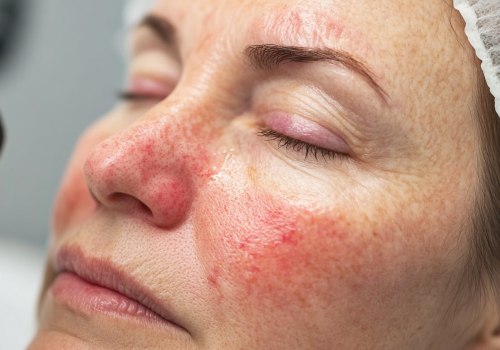
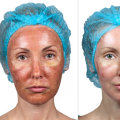
Melasma is a common skin condition characterized by the appearance of brown or gray-brown patches, primarily on the face. It often manifests on areas that are frequently exposed to sunlight, such as the cheeks, forehead, nose, and chin. While melasma can affect anyone, it is particularly prevalent among women, especially during their reproductive years. Understanding what melasma is and its underlying causes, including how it may relate to emotional well-being and even Causes Depression and How Can We Overcome, is essential for those seeking effective treatment options. The exact cause of melasma remains somewhat elusive, but several factors contribute to its development. is a common skin condition characterized by the appearance of brown or gray-brown patches, primarily on the face. It often manifests on areas that are frequently exposed to sunlight, such as the cheeks, forehead, nose, and chin. While melasma can affect anyone, it is particularly prevalent among women, especially during their reproductive years. Understanding what melasma is and its underlying causes, including how it may relate to emotional well-being and even Causes Depression and How Can We Overcome, is essential for those seeking effective treatment options. The exact cause of melasma remains somewhat elusive, but several factors contribute to its development.
Hormonal changes are a significant trigger; many women experience melasma during pregnancy or while taking oral contraceptives. Additionally, prolonged sun exposure can exacerbate the condition, as ultraviolet (UV) rays stimulate melanin production in the skin. Other contributing factors include genetics and certain medications that increase skin sensitivity to sunlight. Melasma is not just a cosmetic concern; it can impact an individual's self-esteem and quality of life. As awareness of this condition grows, so does the demand for effective treatments.
Many individuals turn to a skin clinic for professional advice and tailored treatment plans that address their specific needs. By understanding melasma's causes and prevalence, patients can make informed decisions about their skincare journey.
How Skin Clinics Address Melasma
When it comes to treating melasma, skin clinics offer a range of specialized services designed to address this common skin condition effectively. Melasma, characterized by brown or gray-brown patches on the skin, often requires a multifaceted approach for optimal results.Topical Treatments
- Hydroquinone: This is a popular topical agent used in skin clinics to lighten hyperpigmented areas. It works by inhibiting melanin production and is often combined with other treatments for enhanced effectiveness.
- Retinoids: These vitamin A derivatives promote cell turnover and can help fade melasma over time.
Skin clinics may prescribe stronger formulations that are not available over the counter.
- Azelaic Acid: Known for its anti-inflammatory properties, azelaic acid can also reduce pigmentation and is suitable for sensitive skin types.
Laser Therapy
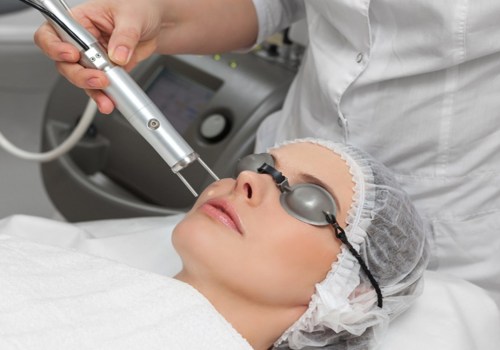
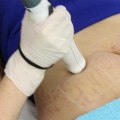
Many skin clinics utilize advanced laser therapy techniques to treat melasma. These treatments target the deeper layers of the skin, breaking down excess melanin without damaging the surrounding tissue. Common laser options include:
- Pulsed Dye Laser: This laser targets blood vessels and can help reduce redness associated with melasma.
- Fractional Laser: This method creates micro-injuries in the skin, promoting healing and reducing pigmentation.
Chemical PeelsChemical Peels
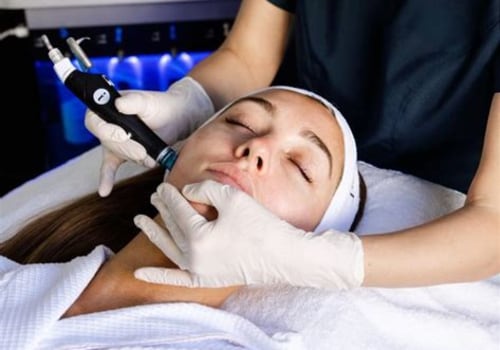
Chemical peels are another effective treatment offered at skin clinics. These peels use acids to exfoliate the top layers of skin, helping to remove pigmented cells and promote new cell growth.
Depending on the severity of melasma, clinics may offer:
- Superficial Peels: These are mild peels that can be done frequently with minimal downtime.
- Medium Peels: These penetrate deeper and may require some recovery time but yield more significant results.
Top Treatments for Melasma at Skin Clinics
When it comes to treating melasma, skin clinics offer a variety of effective options tailored to individual needs. Understanding these treatments can help you make an informed decision about your skin health.1.Topical Treatments
Many skin clinics recommend topical treatments as a first line of defense against melasma. These often include:- Hydroquinone: A skin-lightening agent that reduces pigmentation.
- Tretinoin: A retinoid that promotes cell turnover and helps fade dark spots.
- Corticosteroids: These can reduce inflammation and improve the appearance of melasma.
2.Chemical Peels
Chemical peels are another popular option for melasma treatment.They involve applying a solution to the skin that exfoliates the top layers, revealing fresher skin underneath. Common types include:
- Glycolic Acid Peels: These are mild and suitable for sensitive skin.
- TCA Peels: More potent, these can provide deeper exfoliation for stubborn melasma.
3.Laser Treatments
Laser treatments, such as fractional laser therapy, are increasingly popular in skin clinics for melasma management. These treatments work by targeting pigment in the skin without damaging surrounding tissue. Some benefits include:- Precision: Lasers can specifically target melasma patches.
- Minimal Downtime: Many patients experience little to no recovery time.
Consulting with a qualified professional can help you choose the best approach tailored to your specific condition and skin type.
What to Expect During a Consultation at a Skin Clinic
When you arrive for your consultation at a skin clinic, the process is designed to be thorough and informative, ensuring that you feel comfortable and well-prepared for your melasma treatment. Here’s what you can typically expect during your visit:- Initial Assessment: The consultation usually begins with a detailed assessment of your skin. The dermatologist will ask about your medical history, any previous skin conditions, and specific concerns regarding melasma.
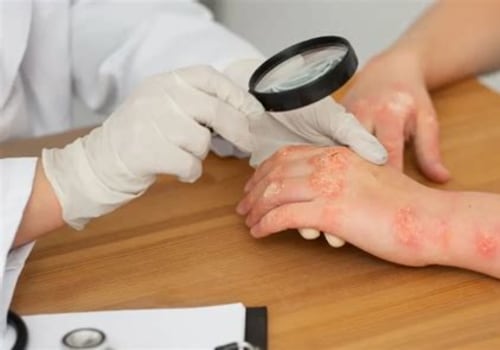
- Skin Examination: A physical examination of your skin will be conducted. The dermatologist may use specialized tools to analyze the pigmentation and determine the depth of the melasma.
- Discussion of Symptoms: You will have the opportunity to discuss any symptoms you’ve experienced, such as changes in pigmentation, sensitivity, or triggers that may worsen your condition.
- Treatment Options: Based on the assessment, the dermatologist will explain various treatment options available at the skin clinic.
This may include topical treatments, chemical peels, or laser therapy tailored to your specific needs.
- Personalized Care Plan: A personalized care plan will be developed, outlining the recommended treatments, expected outcomes, and any necessary follow-up appointments.
- Q&A Session: Finally, you’ll have a chance to ask questions. It’s important to clarify any doubts regarding the treatment process, potential side effects, and aftercare instructions.
FAQs About Melasma and Skin Clinics
When considering treatment options for melasma, many individuals have questions about how a skin clinic can assist in managing this condition. Below are some frequently asked questions that can help clarify the role of skin clinics in melasma treatment.- What is melasma?
Melasma is a common skin condition characterized by brown or gray-brown patches, primarily on the face.It often occurs due to hormonal changes, sun exposure, and genetics.
- How can a skin clinic help with melasma?
Skin clinics offer specialized treatments such as chemical peels, laser therapy, and prescription topical treatments that can effectively reduce the appearance of melasma. - Are treatments at skin clinics safe?
Yes, treatments provided at reputable skin clinics are generally safe when performed by qualified professionals. They will assess your skin type and tailor treatments to minimize risks. - How long does it take to see results?
Results can vary based on the treatment method and individual skin response. Some patients may notice improvements within a few weeks, while others may require several sessions. - What should I expect during my first visit?
During your initial consultation, a dermatologist will evaluate your skin, discuss your medical history, and recommend a personalized treatment plan for your melasma. - Can melasma be completely cured?
While melasma can be effectively managed and its appearance reduced, it may not be completely curable. Ongoing maintenance treatments may be necessary to keep it under control.
Understanding your options is the first step towards achieving clearer skin.
Lifestyle Changes to Support Melasma Treatment
Managing melasma effectively often requires a multifaceted approach that includes not only clinical treatments but also significant lifestyle changes. These modifications can enhance the efficacy of treatments provided at a skin clinic and help maintain results over time.Sun Protection
One of the most critical lifestyle changes is adopting rigorous sun protection measures. Ultraviolet (UV) rays can exacerbate melasma, making it essential to:- Apply broad-spectrum sunscreen with an SPF of 30 or higher daily, even on cloudy days.
- Wear protective clothing, such as wide-brimmed hats and long sleeves, when outdoors.
- Avoid peak sun hours, typically between 10 AM and 4 PM, to minimize exposure.
Skincare Routine
Incorporating a tailored skincare routine can also play a vital role in managing melasma. Consider the following:- Use gentle cleansers to avoid irritating the skin, which can worsen melasma.
- Incorporate brightening agents, such as vitamin C, niacinamide, or azelaic acid, to help reduce pigmentation.
- Moisturize regularly to maintain skin hydration and barrier function.
Diet and Hydration
A balanced diet rich in antioxidants can support skin health.Focus on:
- Fruits and vegetables, particularly those high in vitamins C and E, which may help combat oxidative stress.
- Healthy fats, such as omega-3 fatty acids found in fish and flaxseeds, to promote skin elasticity.
- Staying hydrated by drinking plenty of water throughout the day to keep the skin plump and healthy.
Conclusion: The Role of Skin Clinics in Managing Melasma
In conclusion, seeking treatment for melasma at a skin clinic can significantly enhance the effectiveness of your management strategy. Melasma, characterized by its stubborn brown patches on the skin, often requires a multifaceted approach that is best provided by professionals who specialize in dermatological care.Skin clinics
offer a range of treatment options tailored to individual needs, including:- Topical treatments: Prescription creams containing hydroquinone, tretinoin, or corticosteroids can help lighten hyperpigmentation.
- Laser therapy: Advanced laser treatments can target melanin deposits in the skin, providing a more permanent solution.
- Chemical peels: These can exfoliate the top layer of skin, promoting new cell growth and reducing the appearance of melasma.
- Microneedling: This technique stimulates collagen production and can improve skin texture and tone.
By understanding these factors, they can recommend preventive measures alongside treatment options.Ultimately, while over-the-counter products may provide some relief, they often fall short in addressing the complexities of melasma. A visit to a skin clinic not only ensures access to advanced treatments but also offers personalized care and ongoing support. This comprehensive approach is essential for achieving lasting results and restoring confidence in your skin.