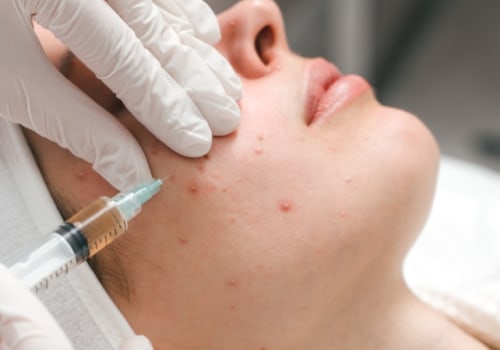
Acne is a common skin condition that affects millions of individuals, particularly during their teenage years, but it can persist into adulthood. Understanding acne and its various forms is essential for anyone seeking effective treatment options. Acne manifests in several types, including blackheads, whiteheads, papules, pustules, and cysts. Each type varies in severity and appearance, making it crucial to identify the specific form affecting you to determine the best course of action. The underlying causes of acne are multifaceted.
Hormonal changes, particularly during puberty, can lead to increased oil production in the skin, which clogs pores and creates an environment conducive to bacterial growth. Other factors include genetics, stress, diet, and certain medications. Additionally, environmental factors such as pollution can exacerbate acne symptoms. Understanding these causes not only helps in managing the condition but also highlights the importance of seeking professional help. Skin clinics specialize in diagnosing and treating acne through a variety of methods tailored to individual needs.
Treatments may include topical medications, oral prescriptions, chemical peels, and advanced therapies like laser treatments. By consulting with professionals at a skin clinic, patients can receive personalized care that addresses both the symptoms and root causes of their acne.Treatments may include topical medications, oral prescriptions, chemical peels, and advanced therapies like laser treatments. By consulting with professionals at a skin clinic, patients can receive personalized care that addresses both the symptoms and root causes of their acne.
What is a Skin Clinic?
A skin clinic is a specialized medical facility that focuses on diagnosing and treating various skin conditions, including acne, eczema, psoriasis, and more. These clinics are staffed by trained skin care professionals, such as dermatologists, estheticians, and nurse practitioners, who possess the expertise to provide tailored treatment plans for each patient.One of the primary services offered at a skin clinic is acne treatment. This can include a range of options from topical medications and oral prescriptions to advanced therapies like chemical peels and laser treatments.The goal is to reduce inflammation, unclog pores, and minimize scarring, ultimately leading to clearer skin.In addition to acne treatment, skin clinics provide a variety of other services:
- Skin assessments: Comprehensive evaluations to determine the best course of action for individual skin concerns.
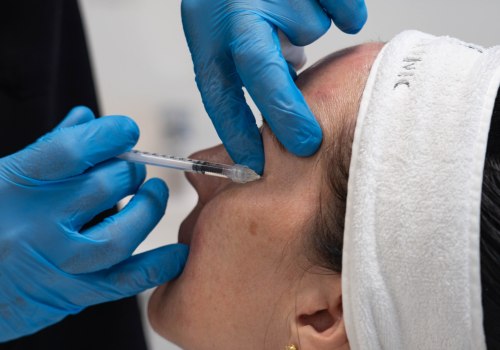
- Cosmetic procedures: Services such as Botox, fillers, and microdermabrasion aimed at enhancing appearance.
- Skin cancer screenings: Regular checks to identify any suspicious moles or growths early on.
- Education and counseling: Guidance on proper skin care routines and lifestyle changes to improve skin health.
Acne Treatments Offered at Skin Clinics
When it comes to managing acne, skin clinics offer a variety of effective treatments tailored to individual needs.Understanding the options available can empower patients to make informed decisions about their skin health.
Topical Treatments
- Retinoids: These vitamin A derivatives help unclog pores and reduce inflammation, making them a popular choice for treating acne.
- Benzoyl Peroxide: Known for its antibacterial properties, this ingredient helps eliminate acne-causing bacteria and is often found in over-the-counter products.
- Salicylic Acid: This beta hydroxy acid penetrates deep into the pores, helping to exfoliate and prevent future breakouts.
Oral MedicationsOral Medications
- Antibiotics: For moderate to severe acne, dermatologists may prescribe oral antibiotics to reduce bacteria and inflammation.
- Hormonal Treatments: For women, hormonal therapies such as birth control pills can regulate hormones that trigger acne.
- Isotretinoin: This powerful medication is reserved for severe cases of acne that do not respond to other treatments. It works by significantly reducing oil production and preventing clogged pores.
Advanced Procedures
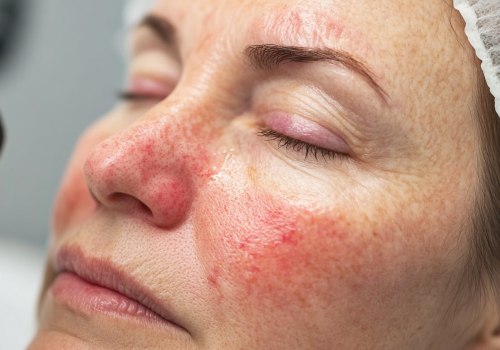
- Chemical Peels: These treatments involve applying a chemical solution to exfoliate the skin, helping to clear up acne and improve skin texture.
- Laser Therapy: Various laser treatments target acne lesions and reduce inflammation, offering a more permanent solution for some patients.
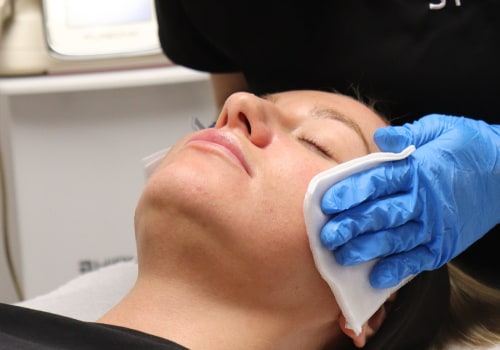
- Extraction Procedures: In-office extractions can safely remove blackheads and whiteheads, providing immediate relief from clogged pores.
Topical Treatments for Acne
When it comes to treating acne, skin clinics often recommend a variety of topical treatments that can effectively target different types of breakouts. These treatments are designed to be applied directly to the skin, allowing for localized action against acne-causing factors.Benzoyl Peroxide
One of the most common ingredients found in topical acne treatments is benzoyl peroxide.This powerful compound works by killing the bacteria that contribute to acne formation, specifically Propionibacterium acnes. Additionally, benzoyl peroxide helps to unclog pores by exfoliating the skin and reducing inflammation. It is available in various concentrations, typically ranging from 2.5% to 10%, allowing dermatologists to tailor the treatment based on the severity of the acne.
Retinoids for Acne
Retinoids, derived from vitamin A, are another popular option prescribed by skin clinics. These compounds promote cell turnover, which helps prevent clogged pores and reduces the formation of new acne lesions.Retinoids can also improve skin texture and tone over time. Common retinoids used for acne include tretinoin, adapalene, and tazarotene. While they can be highly effective, it’s important to note that retinoids may cause initial irritation or dryness, so they are often introduced gradually into a skincare routine.
Other Topical Treatments
In addition to benzoyl peroxide and retinoids, skin clinics may also recommend other topical treatments such as:- Salicylic Acid: A beta hydroxy acid that helps exfoliate the skin and clear out clogged pores.
- Azelaic Acid: Known for its anti-inflammatory properties, it can reduce redness and swelling while also targeting bacteria.
- Sulfur: Often used in combination with other ingredients, sulfur helps absorb excess oil and has antibacterial properties.
Oral Medications for Acne Management
When it comes to managing acne, oral medications can play a crucial role, especially for individuals who have not found relief through topical treatments alone.Skin clinics often provide a range of oral options tailored to the specific needs of patients.
Antibiotics for Acne
One common category of oral medications prescribed at skin clinics are antibiotics. These medications work by reducing the bacteria that contribute to acne and decreasing inflammation. Commonly prescribed antibiotics include:- Tetracycline
- Doxycycline
- Minocycline
Hormonal Treatments for Acne
For patients, particularly women, who experience acne linked to hormonal fluctuations, hormonal treatments may be an effective solution. These treatments can include:- Oral contraceptives: Certain birth control pills can help regulate hormones and reduce acne.
- Spironolactone: This medication is often prescribed off-label for acne as it helps block androgen receptors, reducing oil production.
Therefore, it is essential for patients to discuss their medical history and any concerns with their dermatologist.In conclusion, oral medications offered at skin clinics can significantly aid in acne management. However, it is vital for patients to work closely with their healthcare provider to determine the most appropriate treatment plan tailored to their individual needs.
Advanced Procedures Available at Skin Clinics
Skin clinics offer a variety of advanced procedures specifically designed to treat acne effectively. Among these, laser treatment , chemical peels , and light therapy stand out as popular options.Laser Treatment for Acne
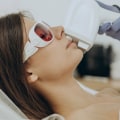
Laser therapy utilizes focused light to target the bacteria that cause acne, reduce inflammation, and promote skin healing. This procedure can significantly decrease the number of active breakouts and improve the overall texture of the skin.Patients often experience minimal discomfort, and many report visible improvements after just a few sessions.
Chemical Peels for Acne
Chemical peels involve applying a solution to the skin that exfoliates the top layers, removing dead skin cells and unclogging pores. This treatment can help reduce acne scars and prevent future breakouts by promoting new skin cell growth. Depending on the severity of the acne, skin clinics may offer different types of peels, ranging from mild to deep.Light Therapy for Acne
Light therapy, including blue and red light treatments, targets acne-causing bacteria and reduces inflammation. Blue light is particularly effective in killing bacteria, while red light helps soothe the skin and reduce redness.This non-invasive treatment is often well-tolerated and can be used in conjunction with other therapies for enhanced results.Each of these advanced procedures has its own set of benefits and may be tailored to individual skin types and conditions. Consulting with a qualified professional at a skin clinic can help determine the most suitable treatment plan for achieving clearer, healthier skin.
What to Expect During Your First Visit to a Skin Clinic
Visiting a skin clinic for the first time can be a daunting experience, especially if you are seeking treatment for conditions like acne. Understanding what to expect during your initial visit can help ease any anxiety and prepare you for the consultation process.Upon arrival at the skin clinic, you will typically be greeted by the reception staff who will ask you to fill out some forms. These forms usually include your medical history, current medications, and specific concerns regarding your skin.It’s important to be as detailed as possible, as this information will assist the dermatologist in tailoring a treatment plan that suits your needs.
Initial Assessment
After completing the paperwork, you will meet with a licensed dermatologist or skincare professional. During this initial assessment, they will:- Discuss your skin concerns: Be prepared to talk about your acne history, including when it started, any previous treatments you've tried, and how it affects your daily life.
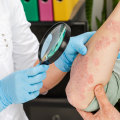
- Conduct a skin examination: The dermatologist will examine your skin type and condition to determine the severity of your acne and any underlying issues.
- Review lifestyle factors: They may ask about your diet, stress levels, and skincare routine, as these can all impact skin health.
Treatment Options
Based on the assessment, the dermatologist will discuss potential treatment options tailored to your specific needs. This may include:- Topical treatments: Creams or gels that target acne directly.
- Oral medications: Antibiotics or hormonal treatments that can help reduce acne from within.
- Procedural options: Treatments such as chemical peels or laser therapy may be recommended for more severe cases.
Remember, every patient is unique, and what works for one person may not work for another.In summary, your first visit to a skin clinic is an essential step towards achieving clearer skin. By understanding the consultation process and what to expect, you can approach your appointment with confidence and clarity.
Cost of Acne Treatments at Skin Clinics
When considering treatment for acne at a skin clinic, understanding the cost of acne treatments is essential. Prices can vary significantly based on the type of treatment, the clinic's location, and the expertise of the practitioners involved. Generally, the cost of acne treatments at skin clinics can range from $50 to $300 per session. Here are some common treatments and their approximate costs:- Topical Treatments: These may include prescription creams or gels, typically costing between $30 and $100.
- Oral Medications: Antibiotics or hormonal treatments can range from $50 to $200 per month.
- Laser Therapy: This advanced treatment can be more expensive, often costing between $200 and $500 per session.
- Chemical Peels: These treatments usually cost around $150 to $300.
Additionally, some clinics may provide financing options to help manage expenses.
Insurance Coverage for Acne Treatment
Another critical aspect to consider is whether your health insurance will cover any of these treatments. Many insurance plans do not cover cosmetic procedures, but they may cover treatments deemed medically necessary. It's advisable to check with your insurance provider to understand your coverage options. If you find that costs are prohibitive, look for affordable skin clinics. Some clinics offer sliding scale fees based on income or have special promotions for new patients.Researching local options and reading reviews can help you find a reputable clinic that fits your budget. In summary, while the cost of acne treatments at skin clinics can vary widely, understanding your options and potential insurance coverage can help you make an informed decision about your skincare journey.
Frequently Asked Questions About Acne Treatments at Skin Clinics
When considering treatments for acne, many individuals have questions about the effectiveness and offerings of skin clinics. Here are some frequently asked questions that can help clarify your doubts:- What types of acne treatments do skin clinics offer?
Skin clinics typically provide a range of treatments including topical medications, oral medications, chemical peels, laser therapy, and light therapy. Each treatment is tailored to the individual's specific type of acne and skin type. - How effective are skin clinics for treating acne?
The effectiveness of treatments at skin clinics can vary based on the severity of the acne and the treatment plan prescribed. Many patients experience significant improvement after following a professional regimen, often seeing results within a few weeks to months. - Are treatments at skin clinics safe?
Yes, treatments provided at reputable skin clinics are generally safe when administered by qualified professionals.It’s important to discuss any concerns with your dermatologist prior to starting treatment.
- How long does it take to see results from skin clinic treatments?
Results can vary; however, many patients start to notice improvements within 4 to 6 weeks. Consistency in following the prescribed treatment plan is key to achieving optimal results. - Can I combine different treatments at a skin clinic?
Yes, many skin clinics offer combination therapies that can enhance results. Your dermatologist will assess your condition and recommend the best approach for your specific needs.
Conclusion: Making an Informed Decision About Acne Treatment
In conclusion, seeking treatment for acne at a skin clinic can be a transformative step towards achieving clearer, healthier skin. Throughout this article, we have explored the various options available at these specialized facilities, including personalized treatment plans, advanced therapies, and the expertise of licensed professionals. Understanding the nature of your acne is crucial.Whether it’s hormonal, cystic, or related to lifestyle factors, a skin clinic can provide tailored solutions that over-the-counter products often cannot. Here are some key takeaways to consider:
- Professional Assessment: A thorough evaluation by a dermatologist can identify the root causes of your acne and help in formulating an effective treatment strategy.
- Advanced Treatments: Clinics offer treatments such as chemical peels, laser therapy, and prescription medications that can significantly improve skin condition.
- Ongoing Support: Regular follow-ups and adjustments to your treatment plan ensure that you are on the right path to recovery.
Research local skin clinics, read reviews, and schedule a consultation. Remember, clear skin is achievable with the right support and treatment.