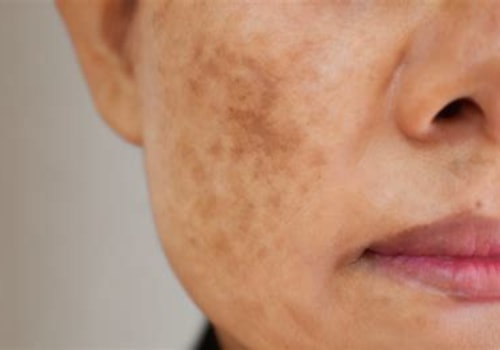
Moles, also known as nevi, are common skin growths that can appear anywhere on the body. They typically present as small, dark brown spots, but their appearance can vary significantly. Some moles are flat, while others may be raised or have a rough texture. Understanding the characteristics of skin moles is essential, as they can range from harmless to potentially concerning.
Most people have between 10 to 40 moles by adulthood, and these can change in size, shape, and color over time. The development of moles is primarily influenced by genetic factors and sun exposure.
Causes of moles
include the proliferation of melanocytes, the cells responsible for producing the pigment melanin. This process can be triggered by various factors, including hormonal changes during puberty or pregnancy, as well as prolonged exposure to ultraviolet (UV) rays from the sun or tanning beds. While most moles are benign, it is crucial to monitor any changes in their appearance, as this could indicate a need for professional evaluation. There are several types of moles, including congenital moles, which are present at birth, and acquired moles that develop over time.Some moles may also be classified based on their characteristics, such as dysplastic nevi, which can have irregular shapes and colors and may require closer observation. Understanding these distinctions not only helps in recognizing what is normal but also emphasizes the importance of consulting a skin clinic for any concerns regarding mole changes or removal options.
When Should You Consider Mole Removal?
Deciding to remove a mole can be a significant choice, influenced by various factors. Understanding when to remove a mole is essential for both aesthetic and health reasons. One of the primary reasons individuals consider mole removal is due to aesthetic concerns. Moles that are prominent or located in visible areas, such as the face or neck, can affect a person's self-esteem.If a mole is causing you distress or affecting your confidence, it may be time to consult a skin clinic.
Health Risks and Signs
Beyond cosmetic reasons, there are important health indicators that warrant professional evaluation:- Changes in Size or Shape: If a mole begins to grow larger or changes shape, it could be a sign of potential skin issues.
- Color Variations: Moles that exhibit multiple colors or uneven pigmentation should be assessed by a dermatologist.
- Itching or Bleeding: Any mole that itches, bleeds, or becomes painful is a red flag and should be examined promptly.
- Family History: If you have a family history of skin cancer, regular monitoring and potential removal of suspicious moles are advisable. If you have a family history of skin cancer, regular monitoring and potential removal of suspicious moles are advisable., regular monitoring and potential removal of suspicious moles are advisable. If you have a family history of skin cancer, regular monitoring and potential removal of suspicious moles are advisable.
How Can a Skin Clinic Help with Mole Removal?
When considering mole removal, a skin clinic offers specialized services that ensure both safety and effectiveness.These clinics are staffed with trained dermatologists who possess the expertise to evaluate moles accurately and determine the best course of action.
Consultation Services
- During your initial consultation, a dermatologist will assess the mole in question, taking into account its size, shape, color, and any changes it may have undergone.
- The dermatologist will discuss your medical history and any concerns you may have, ensuring a personalized approach to your treatment.
- Surgical Excision: This is a common method where the mole is cut out along with a small margin of surrounding skin. It is typically used for larger or suspicious moles.
- Shave Removal: For smaller moles, this technique involves shaving off the mole at skin level. It is less invasive and often requires minimal recovery time.
- Laser Removal: Some skin clinics offer laser treatments that can effectively target and remove moles with precision, minimizing scarring.
- Post-procedure care is crucial for optimal healing. Skin clinics provide detailed aftercare instructions to ensure proper recovery.
- Follow-up appointments may be scheduled to monitor the healing process and address any concerns that arise.
With access to advanced technology and professional expertise, patients can feel confident in their treatment choices. Additionally, skin clinics often provide comprehensive care that includes education on skin health and preventive measures for future concerns.
Common Mole Removal Procedures at Skin Clinics
When considering mole removal, skin clinics offer a variety of procedures tailored to the specific needs of patients. Understanding these options can help individuals make informed decisions about their skin health.Excision
One of the most common methods for mole removal is excision. This procedure involves cutting out the mole along with a small margin of surrounding skin.It is typically performed under local anesthesia, ensuring that the patient remains comfortable throughout the process. Excision is often recommended for moles that are larger or have irregular borders, as it allows for thorough examination and ensures complete removal.
Laser Treatment
Laser treatment is another popular option offered at skin clinics. This method uses focused light beams to target and break down the pigment in the mole. It is a less invasive procedure compared to excision and usually results in minimal scarring.Laser treatment is particularly effective for flat moles or those that are not deeply embedded in the skin.
Cryotherapy
Cryotherapy, or cryosurgery, involves freezing the mole with liquid nitrogen. This causes the mole to blister and eventually fall off. This method is quick and can be performed in a single visit, making it a convenient choice for many patients. However, it may not be suitable for all types of moles, especially those that require histological examination.Each of these mole removal procedures has its own set of benefits and considerations.Patients should consult with a qualified dermatologist at a skin clinic to determine which method is best suited for their individual circumstances. By understanding the available treatments, patients can feel more confident in their choices regarding skin clinic treatments for moles.
What to Expect During Your Visit to a Skin Clinic for Mole Removal
Visiting a skin clinic for mole removal can be a straightforward process, but understanding what to expect can help ease any anxiety you may have. Here’s a breakdown of the typical steps involved in your appointment.Initial Consultation
- During your first visit, you will meet with a qualified dermatologist or skin care professional who will assess your moles.
- Be prepared to discuss your medical history, including any previous skin issues or family history of skin cancer.
- The clinician will examine the mole in question and may use tools like a dermatoscope for a closer look.
Assessment and Recommendations
- After the examination, the dermatologist will determine whether the mole is benign or if further action is necessary.
- If removal is recommended, they will explain the procedure options available, which may include excision or laser removal.
- It’s important to ask questions during this stage to understand the risks, benefits, and expected outcomes of the procedure.
The Removal Procedure
- The actual mole removal can often be done in the clinic on the same day as your consultation.
- The procedure typically involves local anesthesia to minimize discomfort.
- After the mole is removed, the area will be bandaged, and you will receive aftercare instructions.
Follow-Up Care
- A follow-up appointment may be scheduled to check on the healing process and discuss any biopsy results if applicable.
- It’s crucial to monitor the site for any signs of infection or unusual changes and report these to your clinician promptly.
Aftercare and Recovery Following Mole Removal
After undergoing mole removal at a skin clinic, proper aftercare is crucial for ensuring a smooth recovery and minimizing the risk of complications.Here are some essential tips to follow:
Immediate Post-Procedure Care
- Keep the area clean: Gently wash the site with mild soap and water. Avoid scrubbing the area to prevent irritation.
- Apply a sterile bandage: Cover the removal site with a clean bandage as advised by your dermatologist. Change it regularly to keep the area protected.
- Avoid touching: Refrain from touching or picking at the site to reduce the risk of infection.
Managing Discomfort
- Pain relief: If you experience discomfort, over-the-counter pain relievers like ibuprofen or acetaminophen can be effective. Always follow your doctor’s recommendations.
- Cold compress: Applying a cold compress can help reduce swelling and soothe any irritation.
Long-Term Care
- Avoid sun exposure: Protect the healing area from direct sunlight.
Use sunscreen with a high SPF once the site has healed to prevent discoloration.
- Monitor for changes: Keep an eye on the removal site for any signs of infection, such as increased redness, swelling, or discharge. Contact your skin clinic if you notice any concerning symptoms.
- Follow-up appointments: Attend any scheduled follow-up visits to ensure proper healing and address any concerns with your dermatologist.
Frequently Asked Questions About Mole Removal at Skin Clinics
When considering mole removal at a skin clinic, many individuals have questions about the process, safety, and aftercare. Here are some frequently asked questions that can help clarify your concerns:- What types of moles can be removed at a skin clinic?
Most skin clinics can remove both benign and suspicious moles. It’s essential to have a consultation first to determine the nature of the mole and whether removal is necessary. - Is mole removal painful?
The level of discomfort varies by individual and the method used for removal.Most clinics use local anesthesia to minimize pain during the procedure.
- How long does the mole removal procedure take?
Typically, the procedure can take anywhere from 15 to 30 minutes, depending on the size and location of the mole. - What are the different methods of mole removal?
Common methods include: - Excision: Cutting out the mole along with some surrounding skin.
- Shave removal: Shaving off the mole with a surgical blade.
- Cryotherapy: Freezing the mole with liquid nitrogen.
- What should I expect after mole removal?
Post-procedure, you may experience some swelling or redness. It’s crucial to follow your skin clinic's aftercare instructions to ensure proper healing. - Will there be scarring after mole removal?
While some scarring is possible, skilled practitioners at reputable skin clinics aim to minimize this through careful technique and aftercare advice. - How much does mole removal cost at a skin clinic?
Costs can vary widely based on factors such as location, clinic reputation, and the complexity of the procedure. It’s best to consult directly with your chosen clinic for an accurate estimate.
Conclusion: The Importance of Professional Help for Mole Removal
In conclusion, seeking assistance from a skin clinic for mole removal is not just a matter of aesthetics; it is a crucial step in ensuring your overall skin health.Throughout this article, we have explored the various reasons why professional evaluation and treatment are essential. Firstly, skin clinics are equipped with the necessary tools and expertise to accurately assess moles. This is vital because not all moles are benign; some may require further investigation to rule out skin cancer or other serious conditions. By consulting with a qualified dermatologist, you can receive a thorough examination and peace of mind. Secondly, the methods used for mole removal in a skin clinic are safe and effective. Unlike at-home remedies or unregulated procedures, professional clinics utilize advanced techniques that minimize risks and promote proper healing.
This ensures that the removal process is not only effective but also reduces the likelihood of scarring or infection. Moreover, a skin clinic provides personalized care tailored to your specific skin type and medical history. This individualized approach means that you will receive recommendations that best suit your needs, enhancing both safety and results. Finally, regular check-ups at a skin clinic can help monitor your skin's health over time. This proactive approach allows for early detection of any changes in existing moles or the development of new ones, which is key in preventing potential issues. In summary, the importance of professional help for mole removal cannot be overstated. By choosing to visit a skin clinic, you are taking an important step towards safeguarding your skin health while ensuring that any cosmetic concerns are addressed with expertise and care.