Dark spots and hyperpigmentation are common skin concerns that can affect individuals of all ages and skin types.
Dark spots
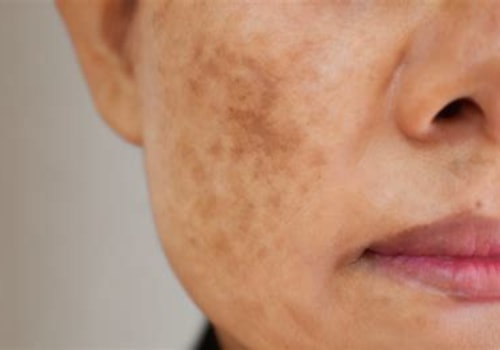
, often referred to as age spots or sun spots, are localized areas of increased pigmentation that can appear on various parts of the body, particularly on sun-exposed areas like the face, hands, and shoulders.Hyperpigmentation
, on the other hand, is a broader term that encompasses any darkening of the skin due to excess melanin production. This condition can manifest in various forms, including melasma, post-inflammatory hyperpigmentation, and lentigines, which may also lead to skin irritations.The causes of hyperpigmentation are multifaceted. , on the other hand, is a broader term that encompasses any darkening of the skin due to excess melanin production. This condition can manifest in various forms, including melasma, post-inflammatory hyperpigmentation, and lentigines, which may also lead to skin irritations. The causes of hyperpigmentation are multifaceted.Sun exposure is one of the primary culprits, as ultraviolet (UV) rays stimulate melanin production in the skin. Hormonal changes, particularly during pregnancy or with the use of birth control pills, can lead to melasma, a type of hyperpigmentation that often appears as brown patches on the face. Additionally, skin injuries such as cuts, burns, or acne can result in post-inflammatory hyperpigmentation, where the skin darkens in response to inflammation. Understanding these conditions is crucial for anyone seeking treatment options. A skin clinic can provide tailored solutions to address dark spots and hyperpigmentation effectively.
By identifying the underlying causes and types of discoloration, professionals at these clinics can recommend appropriate treatments ranging from topical creams to advanced procedures like chemical peels or laser therapy. This personalized approach not only helps in reducing the appearance of dark spots but also promotes overall skin health.By identifying the underlying causes and types of discoloration, professionals at these clinics can recommend appropriate treatments ranging from topical creams to advanced procedures like chemical peels or laser therapy. This personalized approach not only helps in reducing the appearance of dark spots but also promotes overall skin health.
The Role of a Skin Clinic in Treating Skin Conditions
When it comes to addressing skin conditions such as dark spots and hyperpigmentation, a skin clinic offers a range of specialized services designed to meet individual needs. These clinics are staffed by skin care professionals who possess the expertise necessary to diagnose and treat various dermatological issues.Consultations
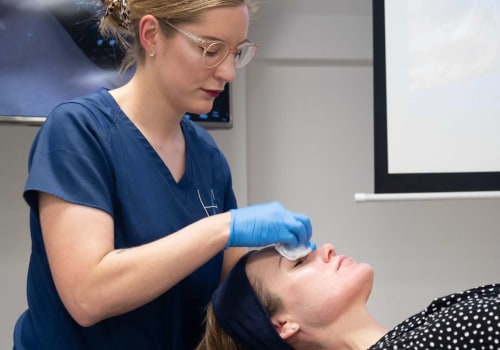
at a skin clinic typically begin with a thorough assessment of the patient's skin type and condition. During this initial visit, dermatologists will evaluate the extent of hyperpigmentation and discuss potential treatment options tailored to the patient's specific concerns.Available Treatments
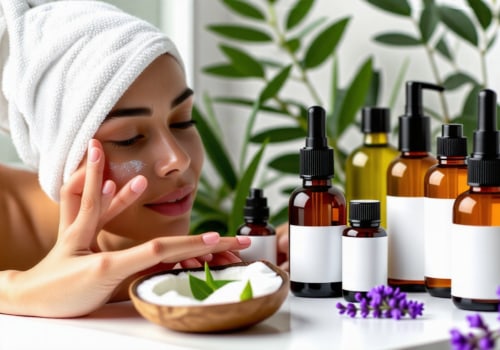
- Topical Treatments: Prescription creams containing ingredients like hydroquinone, retinoids, or vitamin C can help lighten dark spots over time.
- Chemical Peels: These treatments involve applying a solution to exfoliate the skin, promoting cell turnover and reducing pigmentation.
- Laser Therapy: Advanced laser treatments target pigmented areas, breaking down melanin and improving overall skin tone.
- Microdermabrasion: This non-invasive procedure gently exfoliates the outer layer of skin, helping to diminish the appearance of dark spots.
Skin clinics often provide ongoing support through regular check-ups and personalized skincare regimens. This ensures that patients not only see improvements but also learn how to protect their skin from future damage.In summary, a skin clinic plays a vital role in treating dark spots and hyperpigmentation through comprehensive services that include consultations, targeted treatments, and continuous care. By leveraging the expertise of dermatology professionals, patients can achieve clearer, healthier skin.
Common Treatments for Dark Spots and Hyperpigmentation
When it comes to addressing dark spots and hyperpigmentation, skin clinics offer a variety of effective treatments tailored to individual skin types and conditions. Understanding these options can help you make an informed decision about your skincare journey.Laser Therapy
Laser therapy is one of the most advanced treatments available for hyperpigmentation.This technique uses focused light beams to target and break down melanin deposits in the skin. The procedure is quick, often requiring only a few sessions, and can lead to significant improvements in skin tone. Patients typically experience minimal downtime, making it a popular choice for those seeking effective results without extensive recovery periods.
Chemical Peels
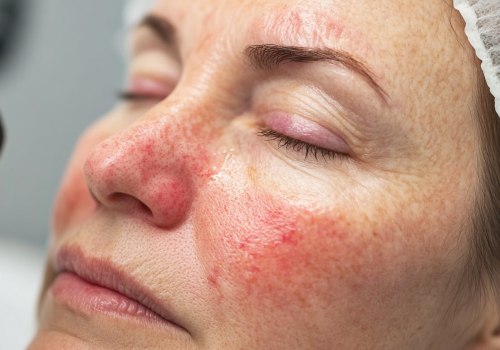
Chemical peels involve applying a solution to the skin that exfoliates the top layers, promoting new skin growth. This treatment can effectively reduce the appearance of dark spots by removing damaged skin cells and encouraging the regeneration of healthier skin.Depending on the strength of the peel, patients may experience varying levels of redness and peeling post-treatment, but results can be quite dramatic.
Microdermabrasion
Microdermabrasion is a non-invasive procedure that gently exfoliates the outer layer of skin using fine crystals or a diamond-tipped wand. This treatment helps to improve skin texture and tone while reducing the visibility of dark spots. It is suitable for all skin types and requires no downtime, making it an excellent option for those looking for a quick refresh.In addition to these treatments, many skin clinics also offer personalized skincare regimens that include topical products designed to lighten dark spots over time. Consulting with a qualified dermatologist can help you determine the best combination of treatments for your specific needs.What to Expect During Your Visit to a Skin Clinic
Visiting a skin clinic for the first time can be an important step in addressing concerns like dark spots and hyperpigmentation.Understanding what to expect during your visit can help alleviate any anxiety and ensure you make the most of your appointment.
Initial Consultation
Your experience typically begins with an initial consultation. During this time, the dermatologist will ask about your medical history, skin type, and specific concerns regarding your skin. Be prepared to discuss:
- Your skincare routine
- Any previous treatments or products you've used
- Family history of skin conditions
- Allergies or sensitivities
Skin Assessment
After the consultation, the dermatologist will conduct a thorough skin assessment. This may involve:
- Visual examination of the affected areas
- Using specialized tools to analyze skin texture and pigmentation
- Discussing potential underlying causes of hyperpigmentation
Treatment Plan Discussion
Once the assessment is complete, your dermatologist will discuss potential treatment plans.
These may include:
- Topical treatments such as creams or serums
- Procedures like chemical peels or laser therapy
- Recommendations for lifestyle changes or sun protection strategies
Follow-Up Appointments
Finally, it’s common to schedule follow-up appointments to monitor progress and adjust treatments as necessary. Consistent communication with your dermatologist is key to achieving optimal results in managing dark spots and hyperpigmentation.
Aftercare and Maintenance for Optimal Results
After undergoing treatments for dark spots and hyperpigmentation at a skin clinic, proper aftercare is crucial to ensure optimal results and maintain the improvements achieved. The skin is often sensitive post-treatment, and following a tailored aftercare routine can significantly enhance healing and prevent further pigmentation issues.Importance of Aftercare
Aftercare is not just about immediate recovery; it plays a vital role in the long-term effectiveness of your treatment. Neglecting aftercare can lead to complications such as irritation, infection, or even the return of dark spots.Here are some essential aftercare tips:
- Sun Protection: Always apply a broad-spectrum sunscreen with at least SPF 30 before going outdoors. UV exposure can exacerbate hyperpigmentation, undoing the benefits of your treatment.
- Moisturization: Keep your skin hydrated with a gentle, non-comedogenic moisturizer. This helps to soothe the skin and supports the healing process.
- Avoid Harsh Products: Steer clear of exfoliants, retinoids, or any products containing alcohol for at least a week post-treatment. These can irritate the skin and hinder recovery.
- Follow Professional Advice: Adhere to any specific instructions provided by your skincare professional at the skin clinic.
They may recommend particular products or routines tailored to your skin type and treatment.
Maintaining Results
Once your skin has healed, maintaining the results is essential for long-lasting effects. Incorporating a consistent skincare routine can help:- Regular Cleansing: Use a gentle cleanser twice daily to remove impurities without stripping your skin's natural oils.
- Targeted Treatments: Consider using serums that contain ingredients like vitamin C, niacinamide, or licorice extract, which are known for their brightening properties.
- Routine Check-ups: Schedule follow-up appointments at your skin clinic to monitor your progress and make any necessary adjustments to your skincare regimen.
Frequently Asked Questions About Skin Clinics and Hyperpigmentation
When considering treatment for hyperpigmentation, many individuals have questions about the role of a skin clinic. Here are some frequently asked questions that can help clarify this topic.- What types of treatments do skin clinics offer for dark spots?
Skin clinics typically provide a range of treatments for dark spots, including chemical peels, laser therapy, and topical prescription medications. These treatments are designed to target the underlying causes of hyperpigmentation and promote an even skin tone. - Are treatments at a skin clinic safe?
Yes, treatments performed at reputable skin clinics are generally safe when conducted by licensed professionals.It’s essential to consult with a qualified dermatologist who can assess your skin type and recommend appropriate treatments.
- How long does it take to see results?
The timeline for seeing results can vary based on the treatment method and individual skin response. Some patients may notice improvements within a few weeks, while others may require several sessions over months to achieve desired results. - Can I treat hyperpigmentation at home?
While there are over-the-counter products available, such as serums containing vitamin C or retinoids, professional treatments at a skin clinic often yield faster and more effective results. Home remedies may not be as potent and can sometimes lead to further irritation. - Are there any myths about hyperpigmentation treatments?
Yes, one common myth is that all hyperpigmentation is permanent. In reality, many forms of hyperpigmentation can be treated effectively with the right approach.Another misconception is that sun exposure does not affect dark spots; however, UV rays can worsen pigmentation issues.
Conclusion: The Benefits of Seeking Help from a Skin Clinic
In conclusion, seeking help from a skin clinic can be a transformative step in addressing dark spots and hyperpigmentation. These skin concerns can often feel overwhelming, but with the right professional guidance, effective treatments are within reach.Throughout this article, we explored various treatment options available at skin clinics, including:- Laser therapy: A highly effective method that targets pigmentation at its source.
- Chemical peels: These treatments exfoliate the skin, promoting new cell growth and reducing the appearance of dark spots.
- Topical treatments: Prescription creams and serums can help lighten hyperpigmentation over time.
- Microneedling: This technique stimulates collagen production, improving skin texture and tone.
This holistic approach can lead to long-lasting results and boost overall confidence.If you are struggling with dark spots or hyperpigmentation, don’t hesitate to reach out to a skin clinic. Taking the first step towards professional help can pave the way for clearer, healthier skin and a renewed sense of self-esteem.