Psoriasis is a chronic autoimmune condition that primarily affects the skin, leading to the rapid growth of skin cells. This accelerated cell turnover results in the formation of thick, red patches covered with silvery scales, which can be both unsightly and uncomfortable. Understanding psoriasis is essential for those seeking effective treatment options, particularly at specialized facilities like a skin clinicskin clinic.The exact causes of psoriasis remain somewhat elusive, but it is believed to involve a combination of genetic predisposition and environmental triggers. Factors such as stress, infections, and certain medications can exacerbate the condition.
Additionally, lifestyle choices like smoking and excessive alcohol consumption may also play a role in the severity of symptoms. Recognizing these psoriasis causes can empower individuals to make informed decisions about their health and treatment. Symptoms of psoriasis can vary widely among individuals but often include red patches of skin covered with thick, silvery scales, dry and cracked skin that may bleed, itching or burning sensations, and thickened or pitted nails. These symptoms can significantly impact a person's quality of life, making it crucial to seek professional help. A skin clinic can provide tailored treatment plans that address both the physical and emotional aspects of living with psoriasis.
What is a Skin Clinic?
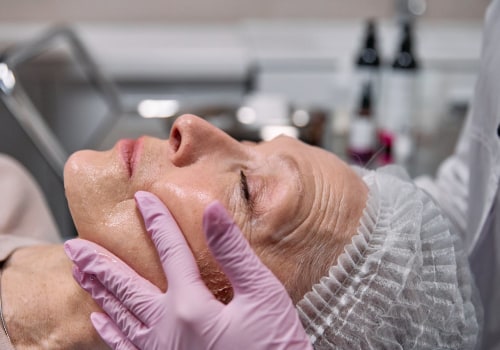
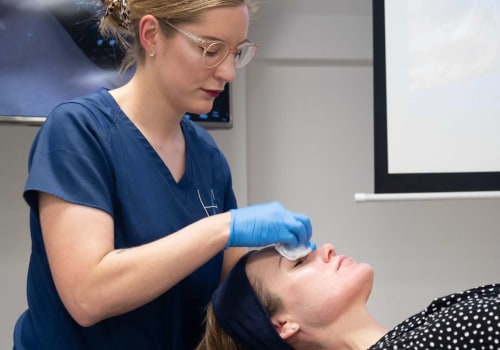
A skin clinic is a specialized medical facility focused on diagnosing and treating various skin conditions.Unlike general practitioners, skin clinics are staffed by dermatologists and trained professionals who possess in-depth knowledge of skin health. This specialization allows them to offer targeted treatments for a range of skin issues, including acne, eczema, and psoriasis.One of the primary services provided by skin clinics includes comprehensive skin assessments. During these assessments, dermatologists evaluate the patient's skin condition, medical history, and lifestyle factors to develop a personalized treatment plan. Common treatments available at skin clinics for psoriasis may include:
- Topical therapies such as corticosteroids and vitamin D analogsTopical therapies such as corticosteroids and vitamin D analogs
- Phototherapy, which involves exposing the skin to ultraviolet light
- Systemic medications that target the immune systemSystemic medications that target the immune system
- Biologics, which are advanced therapies derived from living organisms
A skin clinic is often a dedicated facility that may offer a wider range of aesthetic services alongside medical treatments. In contrast, a dermatologist is a licensed physician who may work in various settings, including hospitals and private practices.In summary, a skin clinic serves as an essential resource for individuals seeking specialized care for their skin conditions. With their focus on comprehensive treatment options and expert knowledge, these clinics play a crucial role in managing chronic conditions like psoriasis effectively.
Psoriasis Treatments Available at Skin Clinics
Skin clinics offer a variety of effective treatments for psoriasis, tailored to meet the individual needs of patients. Understanding these options can empower individuals to make informed decisions about their skin health.Topical Treatments
One of the most common approaches to managing psoriasis at a skin clinic involves the use of topical treatments.These are applied directly to the affected areas and can include:
- Corticosteroids: These anti-inflammatory medications help reduce redness and swelling.
- Vitamin D analogs: These help slow down skin cell growth and can be used in conjunction with other treatments.
- Tazarotene: A topical retinoid that can help normalize skin cell production.
Phototherapy
Another effective treatment option available at skin clinics is phototherapy. This involves exposing the skin to ultraviolet (UV) light under medical supervision. Common types of phototherapy include:- UVB therapy: This treatment uses a specific wavelength of UV light to target psoriasis plaques.
- PUVA therapy: A combination of a medication called psoralen and UVA light, which can be particularly effective for severe cases.
Systemic Medications
For more severe cases of psoriasis, skin clinics may recommend systemic medications. These are taken orally or by injection and work throughout the body.Options include:
- Methotrexate: A medication that suppresses the immune system to reduce inflammation.
- Biologics: Targeted therapies that focus on specific parts of the immune system, offering a more personalized approach.
- Cyclosporine: An immunosuppressant that can provide rapid relief for severe psoriasis.
How Skin Clinics Diagnose Psoriasis
When visiting a skin clinic for psoriasis diagnosis, the process typically begins with a comprehensive physical examination. During this examination, a qualified dermatologist will assess the skin for characteristic signs of psoriasis, such as red patches covered with thick, silvery scales. This visual inspection is crucial, as the appearance of the skin can often provide immediate clues about the condition.In addition to the physical examination, the dermatologist may ask a series of questions regarding your medical history and any symptoms you have been experiencing.This may include:
- Duration of symptoms
- Family history of psoriasis or other skin conditions
- Triggers that may have exacerbated your condition, such as stress or infections
- Previous treatments and their effectiveness
- Skin biopsy: A small sample of skin may be taken to examine under a microscope. This helps to confirm the diagnosis by ruling out other skin disorders.
- Blood tests: While there is no specific blood test for psoriasis, these tests can help identify any underlying conditions or rule out other potential causes of skin symptoms.
Benefits of Seeking Treatment at a Skin Clinic for Psoriasis
When it comes to managing psoriasis, seeking treatment at a skin clinic offers numerous advantages over visiting a general practitioner.These specialized facilities are equipped with the knowledge and resources necessary to provide targeted care for this chronic skin condition.
Expertise in Psoriasis Management
- Specialized Knowledge: Dermatologists at skin clinics have extensive training in skin disorders, particularly psoriasis. They stay updated on the latest research and treatment options, ensuring that patients receive the most effective therapies available.
- Personalized Treatment Plans: Skin clinics often conduct comprehensive assessments to tailor treatment plans specifically for each patient. This individualized approach can lead to better outcomes compared to generalized treatments.
- Access to Advanced Therapies: Many skin clinics offer cutting-edge treatments such as biologics, phototherapy, and systemic medications that may not be readily available through general practitioners.
Comprehensive Care
- Holistic Approach: Skin clinics often provide a multidisciplinary approach, incorporating dermatologists, nutritionists, and mental health professionals to address all aspects of psoriasis management.
- Supportive Environment: Patients at skin clinics benefit from a supportive atmosphere where they can connect with others facing similar challenges, fostering a sense of community and understanding.
Long-Term Management
- Ongoing Monitoring: Regular follow-ups at a skin clinic allow for continuous evaluation of treatment effectiveness and adjustments as needed, which is crucial for managing a chronic condition like psoriasis.
- Education and Resources: Skin clinics often provide educational materials and resources that empower patients to manage their condition effectively at home.
What to Expect During Your First Visit to a Skin Clinic
Visiting a skin clinic for the first time can be a daunting experience, especially if you are seeking treatment for a condition like psoriasis.Understanding what to expect during your initial consultation can help alleviate some of that anxiety.When you arrive at the skin clinic, you will typically be greeted by the reception staff who will ask you to fill out some forms. These forms usually include your medical history, current medications, and any specific concerns you have regarding your skin condition.
Initial Consultation
Once your paperwork is complete, you will meet with a dermatologist or a qualified skin care professional. During this consultation, they will:- Discuss your medical history: Be prepared to share details about your psoriasis, including when it started, any previous treatments you've tried, and how it affects your daily life.
- Conduct a physical examination: The dermatologist will examine your skin closely to assess the severity of your condition and identify any other skin issues that may need attention.
- Explain treatment options: Based on their findings, they will discuss various treatment options tailored to your specific needs. This may include topical treatments, phototherapy, or systemic medications.
Creating a Treatment Plan
After discussing potential treatments, the dermatologist will work with you to create a personalized treatment plan.This plan may include:
- Goals for treatment: Setting realistic expectations for improvement and discussing how long it may take to see results.
- Follow-up appointments: Scheduling future visits to monitor your progress and make any necessary adjustments to your treatment.
- Educational resources: Providing information on managing psoriasis at home, including skincare routines and lifestyle changes that can support your treatment.
Frequently Asked Questions About Psoriasis Treatments at Skin Clinics
When considering treatments for psoriasis at a skin clinic, many patients have questions about the effectiveness, safety, and types of therapies available. Here are some frequently asked questions that can help clarify these concerns.- What types of treatments are available for psoriasis at skin clinics?
Skin clinics typically offer a range of treatments including topical therapies, phototherapy, and systemic medications. Topical treatments may include corticosteroids and vitamin D analogs, while phototherapy involves controlled exposure to ultraviolet light.Systemic medications, which may be oral or injectable, are often prescribed for moderate to severe cases.
- How do I know which treatment is right for me?
Your dermatologist at the skin clinic will evaluate your specific condition, including the severity of your psoriasis and any other health issues you may have. This personalized assessment helps in determining the most effective treatment plan tailored to your needs. - Are the treatments safe?
Most treatments offered at skin clinics are considered safe when administered by qualified professionals. However, it’s essential to discuss any potential side effects with your dermatologist. They can provide information on what to expect and how to manage any adverse reactions. - How long does it take to see results from psoriasis treatments?
The time frame for seeing results can vary significantly depending on the treatment type and individual response.Some patients may notice improvements within a few weeks, while others might take several months to achieve optimal results.
- Will my psoriasis go away completely with treatment?
While many patients experience significant improvement in their symptoms with treatment, psoriasis is a chronic condition that may require ongoing management. Regular follow-ups with your skin clinic can help maintain control over flare-ups.
Conclusion: Finding the Right Skin Clinic for Psoriasis Treatment
In conclusion, finding the right skin clinic for psoriasis treatment is crucial for managing this chronic condition effectively. Throughout this article, we have explored various treatment options available at skin clinics, including topical therapies, phototherapy, and systemic medications. Each of these treatments can be tailored to meet individual needs, making it essential to consult with a qualified dermatologist who specializes in psoriasis.When searching for a suitable skin clinic, consider the following factors:- Expertise: Look for clinics with dermatologists who have experience in treating psoriasis specifically.
Their knowledge can significantly impact your treatment journey.
- Treatment Options: Ensure the clinic offers a comprehensive range of treatments, from traditional therapies to the latest advancements in psoriasis care.
- Patient Reviews: Research patient testimonials and reviews to gauge the effectiveness of treatments and the overall patient experience at the clinic.
- Accessibility: Consider the location and availability of appointments. A conveniently located clinic can make regular visits easier.