Rosacea is a common yet often misunderstood skin condition that primarily affects the face, leading to persistent redness and visible blood vessels. It can also cause small, red, pus-filled bumps, which may resemble acne. Understanding rosacea symptoms is essential for early recognition and management. Individuals with rosacea may experience flushing, a burning or stinging sensation, and even eye irritation in some cases.
These symptoms can vary in intensity and may flare up due to various triggers such as stress, spicy foods, or extreme temperatures. The exact causes of rosacea remain unclear, but several factors are believed to contribute to its development. Genetic predisposition plays a significant role, as rosacea tends to run in families. Additionally, environmental factors such as sun exposure and pollution can exacerbate the condition. Some studies suggest that an overactive immune response may also be involved, leading to inflammation and the characteristic symptoms of rosacea. Recognizing what rosacea is and understanding its symptoms and causes can empower individuals to seek appropriate treatment options.
Skin clinics often provide specialized care for this condition, offering tailored treatments that address both the visible symptoms and underlying factors contributing to rosacea. By consulting with professionals at a skin clinic, patients can explore effective management strategies that improve their skin health and overall quality of life.
What is a Skin Clinic?
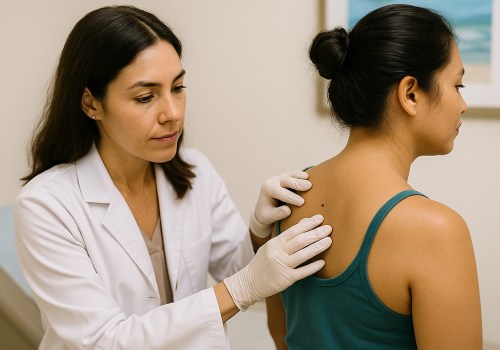
A skin clinic is a specialized medical facility focused on diagnosing and treating various skin conditions. Unlike general practitioners or dermatologists, skin clinics often provide a more comprehensive range of services tailored specifically to skin health. These clinics are staffed by trained professionals, including licensed aestheticians and dermatologists, who work together to address a variety of skin issues.Typically, the services offered at a skin clinic include:- Consultations: Initial assessments to understand the patient's skin concerns.
- Medical Treatments: Procedures for conditions like acne, eczema, and rosacea.
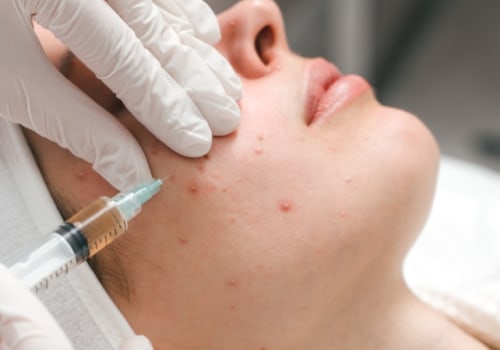
- Aesthetic Services: Treatments such as chemical peels, microdermabrasion, and laser therapy. Treatments such as chemical peels, microdermabrasion, and laser therapy.
- Skincare Products: Professional-grade products that are often not available in regular retail stores.
- Education: Guidance on skincare routines and lifestyle changes to improve skin health.
While dermatologists focus primarily on medical treatments for skin diseases, skin clinics often blend medical and aesthetic services. This makes them particularly relevant for individuals seeking both therapeutic and cosmetic solutions.For those suffering from conditions like rosacea, visiting a skin clinic can be beneficial. These clinics not only offer targeted treatments but also provide ongoing support and education to help manage symptoms effectively. By understanding the specific offerings of a skin clinic, patients can make informed decisions about their skincare needs.
Treatments for Rosacea Offered at Skin Clinics
Skin clinics offer a variety of effective treatments for rosacea, tailored to meet the unique needs of each patient.Understanding these options can empower individuals to manage their symptoms more effectively.Topical Treatments One of the most common approaches involves topical treatments. These may include:
- Metronidazole: An antibiotic cream that helps reduce inflammation and redness.
- Azelic Acid: Known for its anti-inflammatory properties, it can help clear up bumps and redness.
- Ivermectin: A newer topical option that targets inflammatory lesions associated with rosacea.
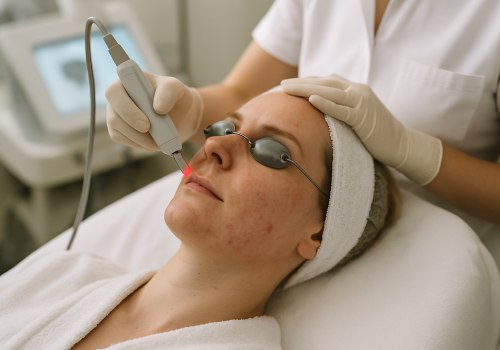
- Pulsed Dye Laser: This treatment targets blood vessels, reducing redness and flushing.
- Intense Pulsed Light (IPL): A non-invasive option that helps improve skin tone and texture by addressing pigmentation issues.
- Avoiding known triggers such as spicy foods, alcohol, and extreme temperatures.
- Implementing a gentle skincare routine that avoids harsh products.
- Using sunscreen daily to protect sensitive skin from UV rays.
Consulting with a qualified professional at a skin clinic can help determine the best course of action tailored to individual needs.
Topical Treatments for Rosacea: What to Expect
When seeking treatment for rosacea, many patients turn to skin clinics for specialized care. One of the most common approaches involves topical treatments, which can significantly alleviate symptoms and improve skin appearance.Common Topical Treatments
- Metronidazole: This antibiotic cream is often prescribed to reduce inflammation and redness associated with rosacea. It is typically applied twice daily and can take several weeks to show noticeable results.
- Azelic Acid: Known for its anti-inflammatory properties, azelic acid helps to unclog pores and reduce redness. Patients usually apply it once or twice a day, depending on their skin's sensitivity.
- Ivermectin: This newer treatment targets inflammatory lesions and is effective in reducing both redness and bumps.
It is generally used once daily.
- Brimonidine: This gel works by constricting blood vessels to reduce flushing and redness. It can be applied as needed, but users should be cautious about overuse.
Best Creams for Rosacea
Choosing the right cream can be crucial for managing rosacea effectively. Some of the best creams recommended by dermatologists include:- Finacea (Azelic Acid): A popular choice for its dual action against acne and rosacea.
- MetroGel (Metronidazole): A well-established option that has been used for years with proven results.
- Soolantra (Ivermectin): Gaining popularity due to its effectiveness in treating inflammatory lesions.
How to Use Rosacea Creams
To maximize the effectiveness of these topical treatments, follow these guidelines:- Cleanse your skin: Use a gentle cleanser to remove impurities before applying any treatment.
- Apply a thin layer: Use only a small amount of cream, spreading it evenly over the affected areas.
- Follow a routine: Consistency is key; apply your treatment at the same time each day for optimal results.
- Avoid irritants: Steer clear of products that contain alcohol or fragrances, as they can exacerbate rosacea symptoms.
Lifestyle Changes and Home Remedies for Managing Rosacea
Managing rosacea effectively often requires a combination of professional treatments and personal lifestyle adjustments. By making certain changes in your daily routine and incorporating home remedies, you can significantly alleviate the symptoms of this chronic skin condition.Lifestyle Changes for Rosacea
- Avoid Triggers: Identifying and avoiding triggers is crucial.
Common triggers include spicy foods, alcohol, extreme temperatures, and stress. Keeping a diary to track flare-ups can help pinpoint specific triggers.
- Sun Protection: Sun exposure can exacerbate rosacea symptoms. Use a broad-spectrum sunscreen with an SPF of 30 or higher daily, even on cloudy days. Wearing a wide-brimmed hat can also provide additional protection.
- Gentle Skincare: Opt for gentle, fragrance-free skincare products.
Avoid harsh scrubs and exfoliants that can irritate the skin. Look for products specifically formulated for sensitive skin.
- Dietary Adjustments: Incorporating anti-inflammatory foods such as leafy greens, fatty fish, and nuts can help reduce inflammation. Staying hydrated by drinking plenty of water is also beneficial.
Home Remedies for Rosacea
- Aloe Vera: Known for its soothing properties, applying pure aloe vera gel can help calm irritated skin and reduce redness.
- Green Tea: The anti-inflammatory properties of green tea can be harnessed by applying cooled green tea bags to affected areas or using skincare products containing green tea extract.
- Oatmeal Masks: Oatmeal is excellent for soothing the skin. A simple mask made from ground oats mixed with water can provide relief from irritation and redness.
- Coconut Oil: This natural moisturizer can help hydrate the skin while providing anti-inflammatory benefits.
Apply a thin layer to affected areas to lock in moisture.
Frequently Asked Questions About Rosacea Treatments at Skin Clinics
When considering rosacea treatments at a skin clinic, many patients have questions about the effectiveness, safety, and types of treatments available. Here are some frequently asked questions:- What types of treatments do skin clinics offer for rosacea?
Skin clinics typically provide a range of treatments including topical medications, oral antibiotics, laser therapy, and light-based therapies. Each treatment is tailored to the individual's specific symptoms and skin type. - Are the treatments for rosacea painful?
Most patients report minimal discomfort during procedures like laser therapy.Topical anesthetics may be used to enhance comfort. Always discuss pain management options with your dermatologist.
- How long does it take to see results from rosacea treatments?
Results can vary based on the treatment type and individual response. Some patients notice improvements within a few weeks, while others may require several months of consistent treatment. - Will my rosacea come back after treatment?
While treatments can significantly reduce symptoms, rosacea is a chronic condition. Many patients find that ongoing maintenance treatments help manage flare-ups effectively. - Can lifestyle changes help with rosacea?
Yes, lifestyle modifications such as avoiding known triggers (like spicy foods or extreme temperatures), using gentle skincare products, and managing stress can complement clinical treatments.
Choosing the Right Skin Clinic for Rosacea Treatment
When it comes to managing rosacea, selecting the right skin clinic is crucial for effective treatment.Here are some key factors to consider:
- Qualifications and Experience: Look for clinics with licensed dermatologists who specialize in treating rosacea. Check their credentials and experience in handling similar skin conditions.
- Treatment Options: A reputable skin clinic should offer a variety of treatment options tailored to rosacea, including topical medications, laser therapy, and lifestyle recommendations. Ensure they stay updated with the latest advancements in rosacea treatments.
- Patient Reviews: Research online reviews and testimonials from previous patients. Positive feedback can indicate a clinic's effectiveness and patient satisfaction.
- Consultation Process: A good clinic will provide an initial consultation to assess your condition thoroughly.
During this visit, pay attention to how well the staff listens to your concerns and explains treatment options.
- Follow-Up Care: Rosacea management often requires ongoing care. Inquire about the clinic's follow-up procedures and how they monitor treatment progress.
Conclusion: Taking the Next Steps in Managing Rosacea
In conclusion, managing rosacea effectively requires a proactive approach, and seeking help from a reputable skin clinic can be a significant first step.Throughout this article, we have explored the various treatment options available at skin clinics, including topical medications, laser therapies, and lifestyle modifications that can help alleviate symptoms.It is essential to recognize the signs of rosacea early on. If you notice persistent redness, visible blood vessels, or acne-like breakouts on your face, it is crucial to consult with a dermatologist or a skincare professional. They can provide a comprehensive assessment and tailor a treatment plan that suits your specific needs.Here are some key takeaways to consider:
- Consultation is Key: A thorough evaluation by a skin specialist can help determine the best course of action for your condition.
- Personalized Treatment Plans: Treatments can vary widely based on individual symptoms and triggers; what works for one person may not work for another.
- Ongoing Management: Rosacea is often a chronic condition that requires ongoing management and adjustments to treatment as needed.
- Lifestyle Adjustments: Identifying and avoiding personal triggers—such as certain foods, stress, or environmental factors—can significantly improve your quality of life.