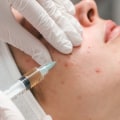
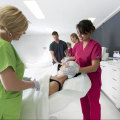
Eczema, also known as atopic dermatitis, is a chronic skin condition that affects millions of individuals worldwide. It is characterized by Eczema, also known as atopic dermatitis, is a chronic skin condition that affects millions of individuals worldwide. It is characterized by inflammation, redness, and itchiness of the skin, often leading to discomfort and distress. Understanding the causes and symptoms of eczema is essential for those seeking effective treatment options, particularly through specialized facilities like a skin clinicskin clinic.The exact cause of eczema remains unclear, but it is believed to be a combination of genetic and environmental factors. Individuals with a family history of allergies or asthma are more likely to develop this condition.
Environmental triggers such as harsh soaps, allergens, and extreme weather can exacerbate symptoms. Common symptoms include dry, scaly patches on the skin, intense itching, and in some cases, oozing or crusting lesions. These symptoms can vary in severity and may flare up periodically, making it crucial for sufferers to seek professional advice. Recognizing the signs of eczema early can lead to better management strategies. Many people may not realize that a skin clinic can provide tailored treatments that address both the symptoms and underlying causes of eczema.
By understanding what eczema is and how it manifests, patients can make informed decisions about their care and explore the various treatment options available at specialized clinics.
What is a Skin Clinic?
A skin clinic is a specialized medical facility that focuses on diagnosing and treating various skin conditions. Unlike general practitioners, skin clinics are staffed by dermatologists and trained professionals who have expertise in skin health. These clinics provide a range of services tailored to address specific skin issues, making them an essential resource for individuals suffering from conditions such as eczema.At a skin clinic, patients can expect to receive comprehensive care that includes:- Consultations: Initial assessments where dermatologists evaluate the patient's skin condition and medical history.
- Diagnostic Testing: Advanced testing methods to identify the underlying causes of skin issues.
- Treatment Plans: Customized treatment strategies that may include topical medications, oral medications, or lifestyle recommendations.
- Therapeutic Procedures: Treatments such as phototherapy, laser therapy, or other advanced techniques aimed at alleviating symptoms.
- Follow-up Care: Ongoing support and adjustments to treatment plans based on patient progress.
This makes them particularly valuable for patients seeking holistic care for chronic conditions like eczema.In summary, a skin clinic serves as a dedicated environment for individuals looking to manage their skin health effectively. With specialized services and expert staff, these clinics play a crucial role in providing targeted treatments for conditions such as eczema, ensuring patients receive the best possible care for their unique needs.
Eczema Treatments Available at Skin Clinics
Skin clinics offer a variety of eczema treatments tailored to individual needs, ensuring effective management of this chronic skin condition. Understanding the options available can empower patients to make informed decisions about their care.Topical Treatments
One of the most common approaches to treating eczema at a skin clinic involves the use of topical treatments. These may include:- Corticosteroids: These anti-inflammatory creams and ointments help reduce redness and itching.
- Calcineurin Inhibitors: Non-steroidal medications that help control inflammation and are often used for sensitive areas.
- Moisturizers: Regular application of emollients is crucial in maintaining skin hydration and preventing flare-ups.
Phototherapy
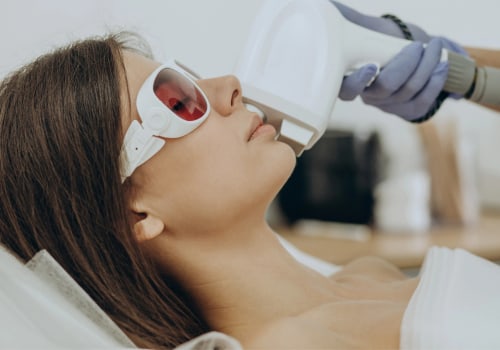
For patients with moderate to severe eczema, phototherapy can be an effective treatment option.This involves exposing the skin to controlled amounts of natural or artificial light, which can help reduce symptoms and improve skin condition. Skin clinics typically offer:
- UVB Therapy: A type of light therapy that targets affected areas to decrease inflammation.
- PUVA Therapy: Combines a medication called psoralen with UVA light, often used for more severe cases.
Advanced Therapies
In addition to traditional treatments, many skin clinics now provide advanced therapies for eczema management. These may include:In addition to traditional treatments, many skin clinics now provide advanced therapies for eczema management. These may include:- Biologics: Targeted therapies that work on specific parts of the immune system, suitable for patients who do not respond to conventional treatments.
- Systemic Medications: Oral or injectable medications that help control severe eczema by affecting the entire body.
How Skin Clinics Diagnose Eczema
When visiting a skin clinic for eczema diagnosis, patients can expect a thorough evaluation process designed to identify the condition accurately.The initial step typically involves a detailed medical history review, where the dermatologist will ask about the patient's symptoms, family history of skin conditions, and any potential triggers that may exacerbate the eczema.
Physical Examination
- The dermatologist will conduct a physical examination of the affected skin areas. This examination helps in assessing the severity and extent of the eczema, as well as identifying any signs of infection or other skin issues.
Patch Testing
- In some cases, patch testing may be recommended to determine if specific allergens are contributing to the eczema flare-ups. This involves applying small amounts of potential allergens to the skin and monitoring for reactions over several days.
Skin Biopsy
- If the diagnosis remains unclear, a skin biopsy might be performed. This procedure involves taking a small sample of skin tissue for laboratory analysis, which can help rule out other skin conditions that may mimic eczema.
Laboratory Tests
- In certain situations, laboratory tests such as blood tests may be conducted to check for underlying conditions or to assess the immune response, which can provide additional insights into the patient's eczema.
By being informed about what to expect during their visit to a skin clinic, patients can better prepare themselves and facilitate a more productive consultation with their dermatologist.
The Role of Dermatologists in Eczema Treatment
When it comes to managing eczema, the expertise of a dermatologist is invaluable. These specialists are trained to diagnose and treat a variety of skin conditions, including eczema, which can manifest in different forms and severity levels. A visit to a skin clinic can provide patients with tailored treatment plans that address their specific symptoms and triggers.Understanding the Role of Dermatologists
- Diagnosis: Dermatologists can accurately diagnose eczema by examining the skin and considering the patient's medical history. This is crucial as eczema can often be confused with other skin conditions.
- Treatment Plans: After diagnosis, dermatologists at skin clinics develop personalized treatment plans that may include topical medications, oral medications, or light therapy, depending on the severity of the condition.
- Management Strategies: Beyond immediate treatment, dermatologists educate patients on long-term management strategies, including skincare routines and lifestyle modifications that can help minimize flare-ups.
When to See a Dermatologist for Eczema
It’s essential to know when to seek professional help for eczema.
Patients should consider visiting a dermatologist if:
- Their eczema is persistent and does not improve with over-the-counter treatments.
- The condition is affecting their quality of life, causing significant discomfort or emotional distress.
- They experience frequent flare-ups or notice changes in their skin that are concerning.
Patient Experiences: What to Expect During Treatment
When considering treatment for eczema at a skin clinic, understanding the patient experience can significantly ease any apprehensions. Many patients report a sense of relief and hope upon entering these specialized facilities, where they are met with knowledgeable staff and tailored treatment plans.Initial Consultation:
During the first visit, patients typically undergo a thorough assessment. This includes discussing their medical history, current symptoms, and any previous treatments.
Many patients appreciate this personalized approach, as it allows the clinician to develop a customized plan that addresses their unique needs.
Treatment Options:
Patients often find that skin clinics offer a variety of treatment options, ranging from topical medications to advanced therapies like phototherapy. For instance, one patient shared, "I was amazed at how many different treatments were available. My doctor explained each option clearly, which made me feel more confident in my choice." This level of transparency is crucial for patients navigating their eczema journey.
Ongoing Support:
Another common theme in patient testimonials is the ongoing support provided by skin clinics. Regular follow-up appointments allow for adjustments to treatment plans based on how well patients respond.
One individual noted, "The follow-ups were incredibly helpful. My doctor was always available to answer questions and tweak my treatment as needed." This continuous care fosters a strong patient-clinician relationship.
Real-Life Testimonials:
Hearing from others who have undergone similar treatments can be reassuring. For example, a patient remarked, "After struggling with eczema for years, I finally found relief at my skin clinic. The staff was compassionate and truly understood what I was going through." Such testimonials highlight the positive impact that specialized care can have on managing eczema.In summary, patients visiting a skin clinic for eczema treatment can expect a comprehensive evaluation, a range of tailored treatment options, and ongoing support throughout their journey.
These experiences not only provide hope but also empower individuals to take control of their skin health.
FAQs About Eczema Treatments at Skin Clinics
When considering treatments for eczema at a skin clinic, many patients have questions about the effectiveness, safety, and types of therapies available. Here are some frequently asked questions that can help clarify common concerns:What types of treatments do skin clinics offer for eczema?
Skin clinics typically provide a range of treatments tailored to individual needs, including:- Topical corticosteroids: These are commonly prescribed to reduce inflammation and itching.
- Moisturizers: Regular use of emollients can help maintain skin hydration and barrier function.
- Phototherapy: Controlled exposure to ultraviolet light can be effective for moderate to severe cases.
- Systemic medications: In some cases, oral or injectable medications may be necessary for severe eczema.
Are treatments at skin clinics safe?
Yes, treatments provided at reputable skin clinics are generally safe when administered by qualified professionals. However, it is essential to discuss any potential side effects with your dermatologist. They will tailor the treatment plan based on your specific condition and medical history.How long does it take to see results from eczema treatments?
The timeline for seeing results can vary significantly depending on the treatment type and individual response.Some patients may notice improvement within a few days, while others might take several weeks. Consistency in following the prescribed regimen is crucial for achieving optimal results.
Can lifestyle changes help manage eczema?
Absolutely! In addition to professional treatments, making certain lifestyle adjustments can significantly impact eczema management. Consider the following:- Avoiding triggers: Identify and minimize exposure to known irritants or allergens.
- Maintaining hydration: Regularly applying moisturizers can help keep the skin barrier intact.
- Stress management: Stress can exacerbate eczema symptoms; practices like yoga or meditation may help.
Conclusion: Finding the Right Skin Clinic for Eczema Treatment
In conclusion, finding the right skin clinic for eczema treatment is crucial for managing this often-challenging condition.Throughout this article, we have explored various aspects of eczema, including its symptoms, triggers, and the range of treatments available at specialized clinics. Understanding these elements can empower you to make informed decisions about your skin health.When searching for a suitable skin clinic, consider the following key factors:
- Expertise: Look for clinics with dermatologists who specialize in eczema and have a proven track record of successful treatments.
- Treatment Options: Ensure the clinic offers a comprehensive range of therapies, including topical treatments, phototherapy, and advanced biologics.
- Patient Reviews: Research patient testimonials and reviews to gauge the quality of care and patient satisfaction.
- Personalized Care: Choose a clinic that emphasizes individualized treatment plans tailored to your specific needs and lifestyle.
With the right support and treatment plan, you can effectively manage your eczema and enjoy healthier skin.